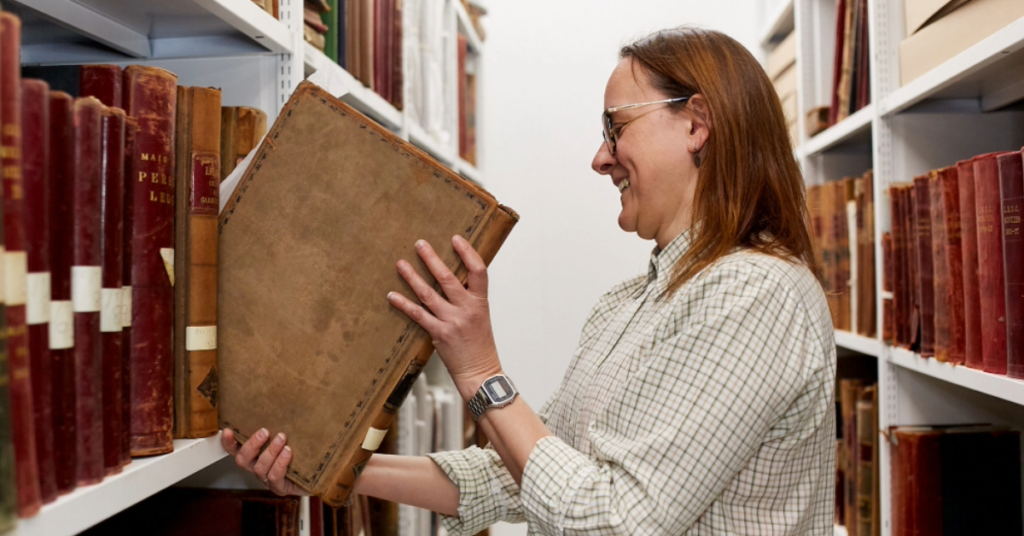
What are Archives?
We all create records in our everyday lives. Some records are important to us, and we keep them for as long as necessary before they are discarded; some we decide to keep forever, and these become our archives.
Organisations, institutions and businesses of all sorts also create records in the same way. Some they keep for as long as they are useful or necessary, but many are kept permanently. These become their archives. Sometimes people, organisations, institutions and businesses are less organised, and their records can often be lost or forgotten over time. Sometimes they survive by chance and are rediscovered by others, who may recognise that some – or even all, or parts – of the records have lasting historical significance.
All archives from the past, and the archives we create today, are the raw material of history. They can tell us what people and organisations did, how and why they did it, and often what they thought. Archives can directly connect us to the past, bring history to life, and help us to make a decision and influence our future.
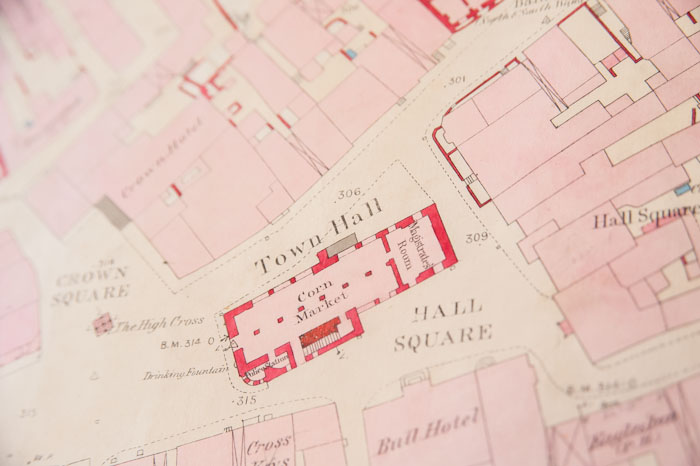
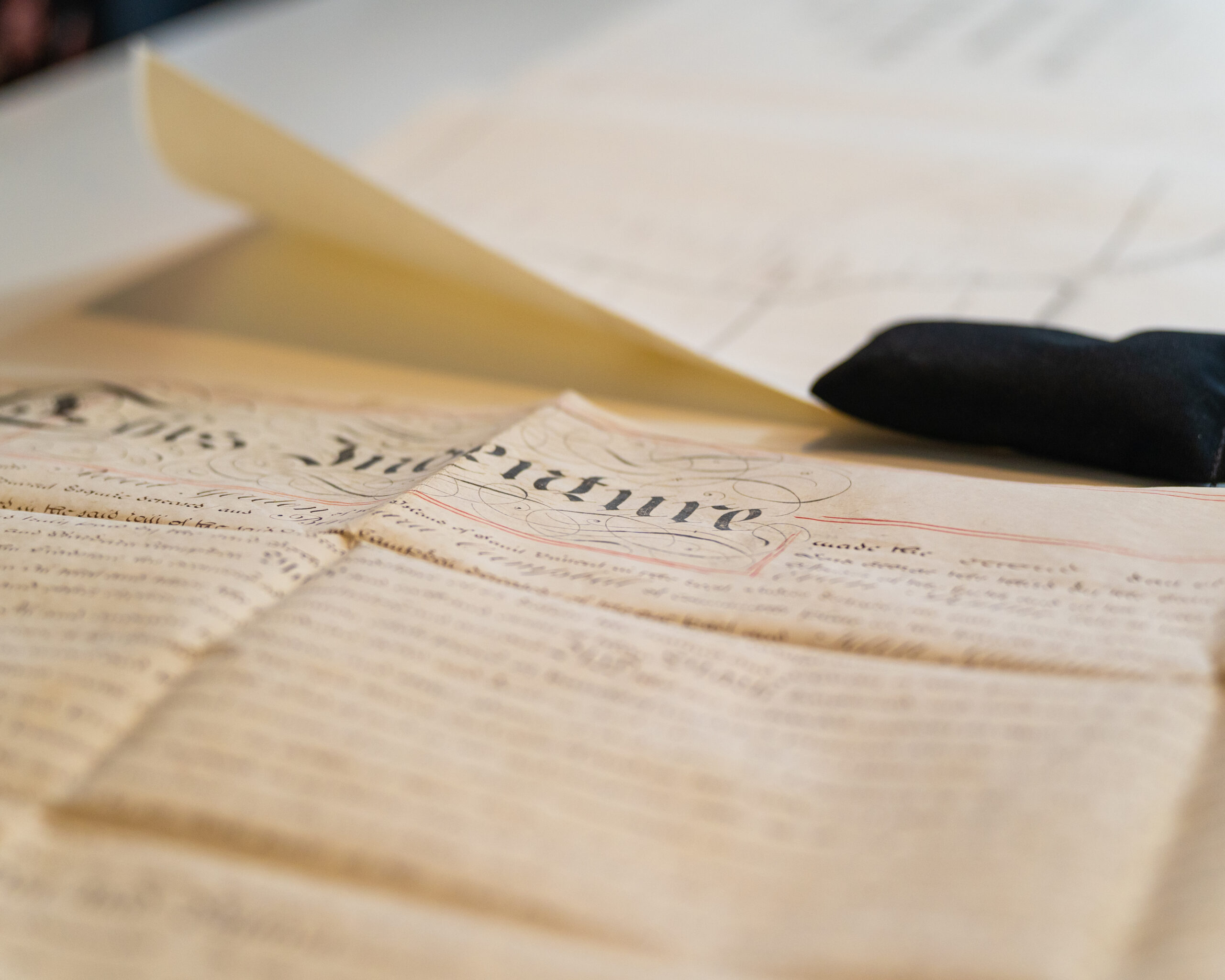
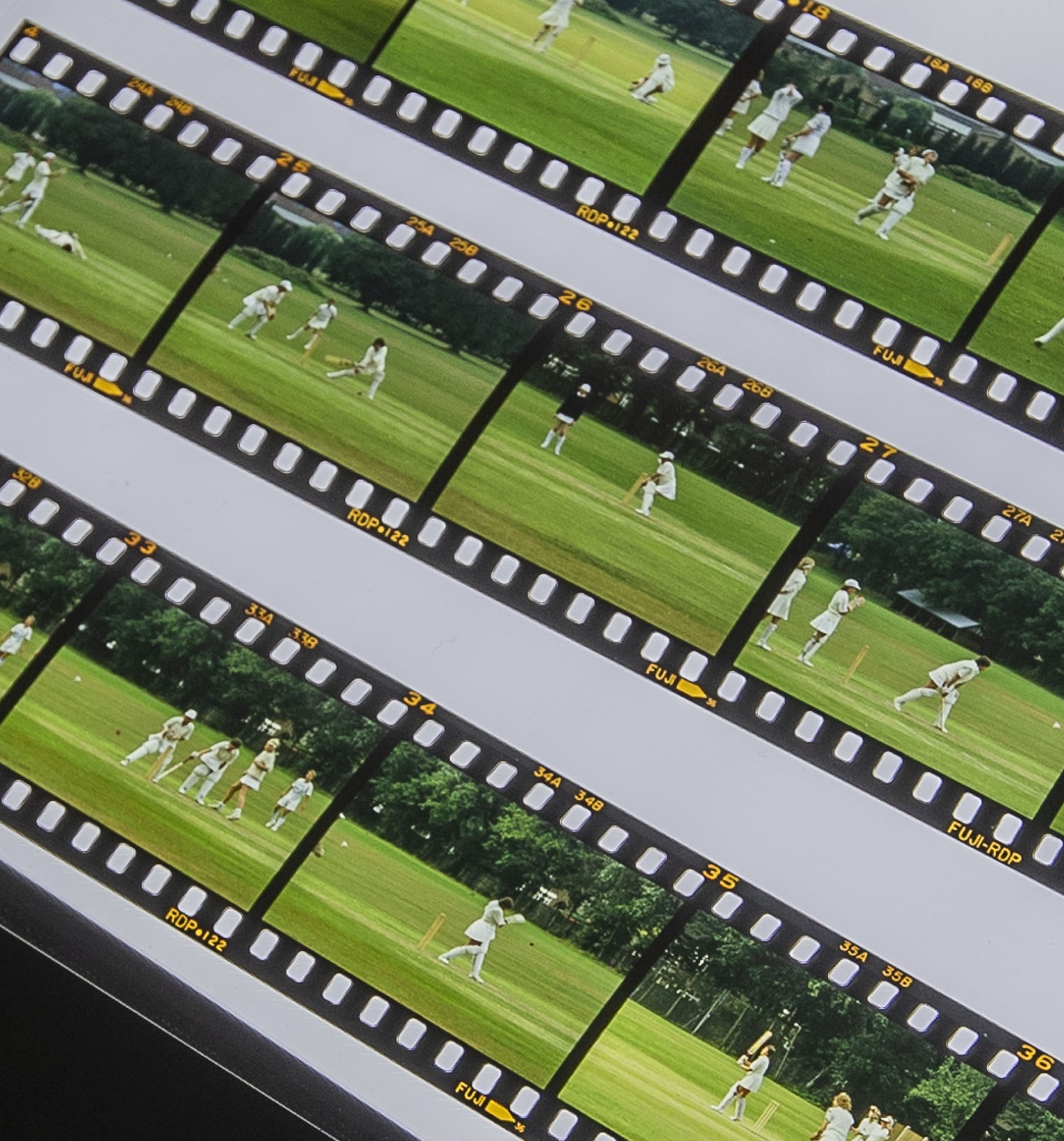
Archives can be any age – today’s committee minutes will be part of the archive of the local council or university, as much as a medieval title deed in the archive of a landed estate. Archives can also take many forms: they can be handwritten on parchment, typewritten on paper, scribbled in a notebook, or embroidered on cloth; they can be photographs, technical drawings, sketches or maps; they can be digital or analogue sound, video, images or data captured in a variety of different formats such as computer files on a server or floppy disk, audio cassettes and film reels, CDs and electronic databases, or floating online in ‘the cloud’.
There are several formal definitions of archives, but this is a good summary from the International Council on Archives:
Archives are the documentary by-product of human activity retained for their long-term value. The records created in the course of the everyday lives and actions of individuals and organisations offer direct insights into past events. Like people, archives are diverse. They come in a variety of formats including text, photographs, video, sound, analogue and digital. Archives are held by individuals and institutions (both public and private) around the world, with the buildings housing them often sharing the name of ‘archives’.