A Road Trip Through the Archives
They say the past is a different country — so let’s plan a weekend road trip to the past! Armed with old advertisements as our guide, let’s explore some historic shops, lively dance halls, and grand hotels.
Central Wales Emporium (1890s), item from Powys Archives:
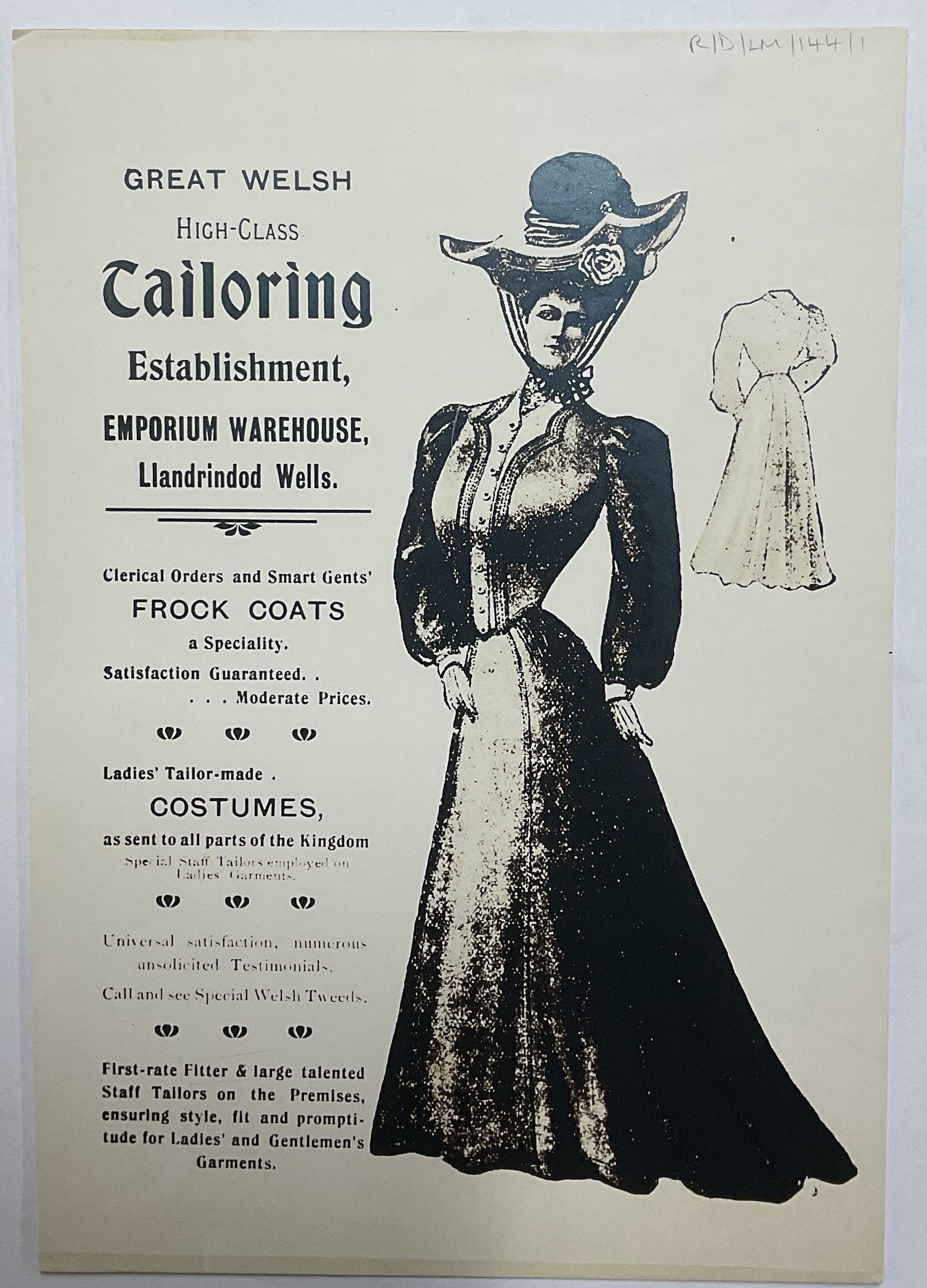
Our journey begins in Victorian-era Llandrindod Wells at the Central Wales Emporium. The poster for this expansive shop promises “style, fit, and promptitude” in both women’s and men’s clothing — a reminder of how much importance was placed on appearance at this time.
Bargoed Skating Pavilion (1912), item from Glamorgan Archives:
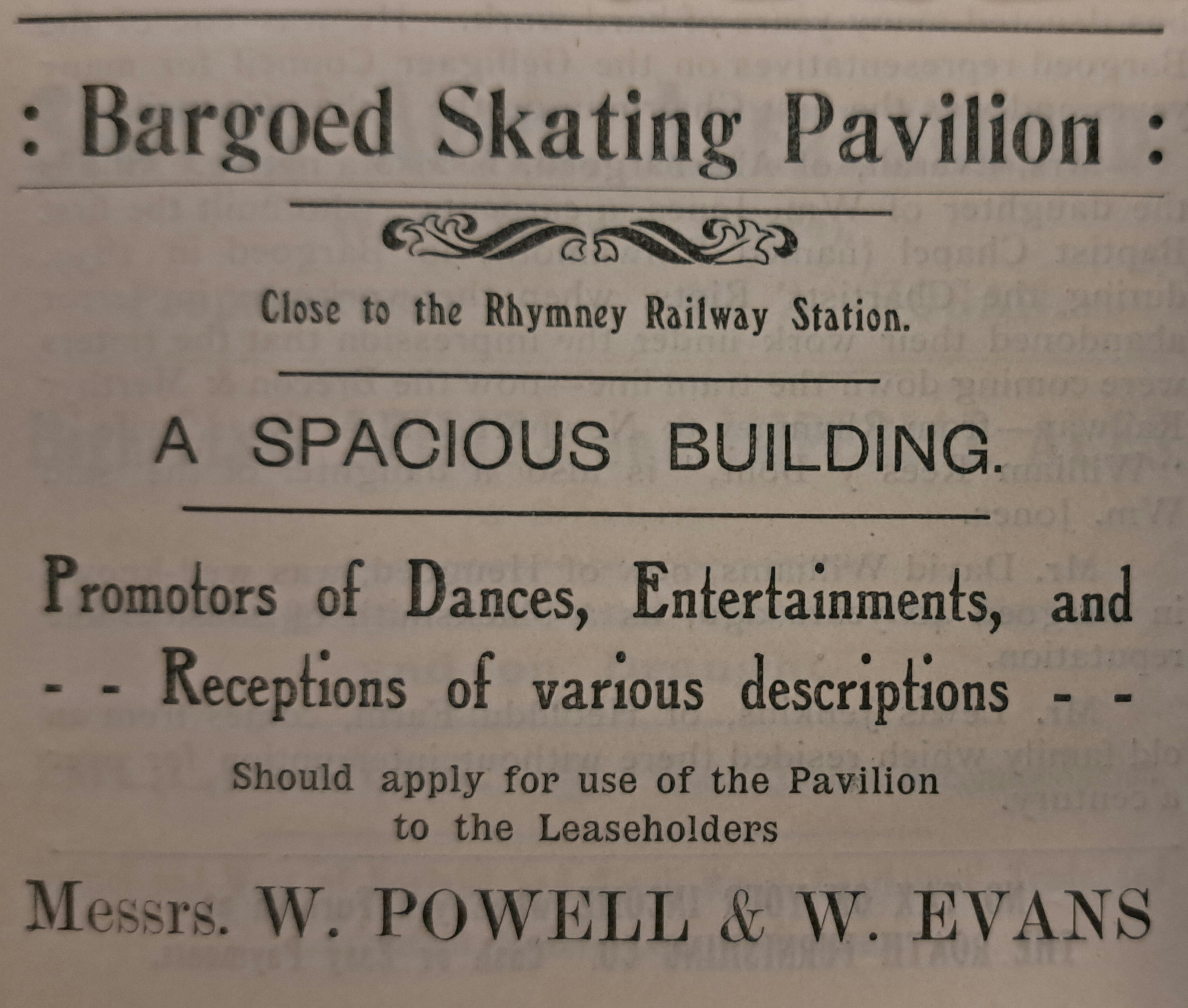
Fast forward to 1912, and we arrive at the Bargoed Skating Pavilion. Despite its name, the venue hosted far more than skating. The most striking part of the advertisement proudly declares it as “A SPACIOUS BUILDING” — perhaps to emphasize the grand scale of the space, a point of pride for the owners maybe.
Fleur de Lys Brewery (1912), item from Glamorgan Archives:
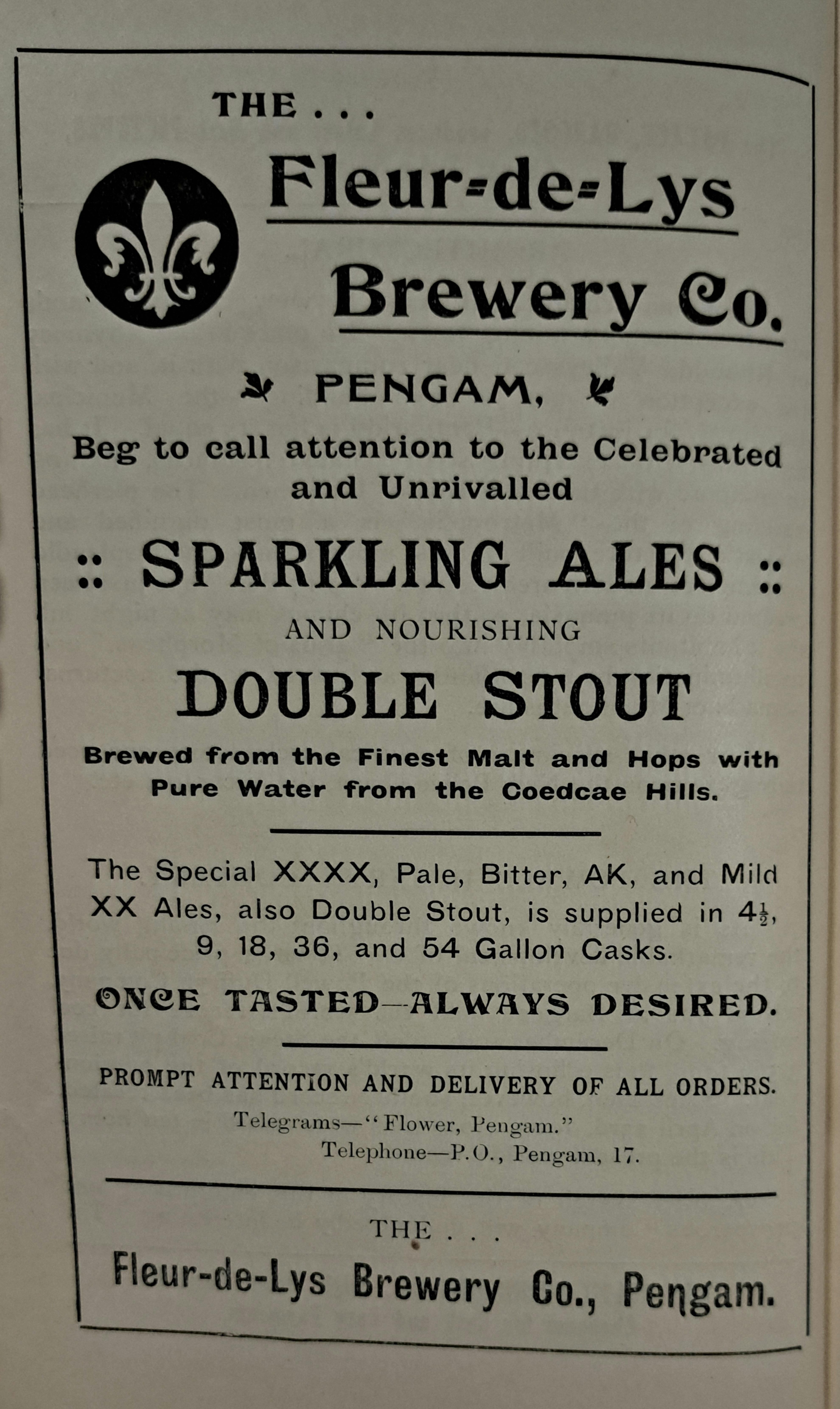
While in Bargoed, we stop by the Fleur de Lys Brewery. Their advertisement is very polite, with carefully chosen words that feel almost overly courteous. It makes you wonder: Was this a reflection of the brewery’s culture, or simply a marketing tactic to appeal to a refined clientele?
Balmoral Hotel, Llandudno (1930s), item from Conwy Archive Service:
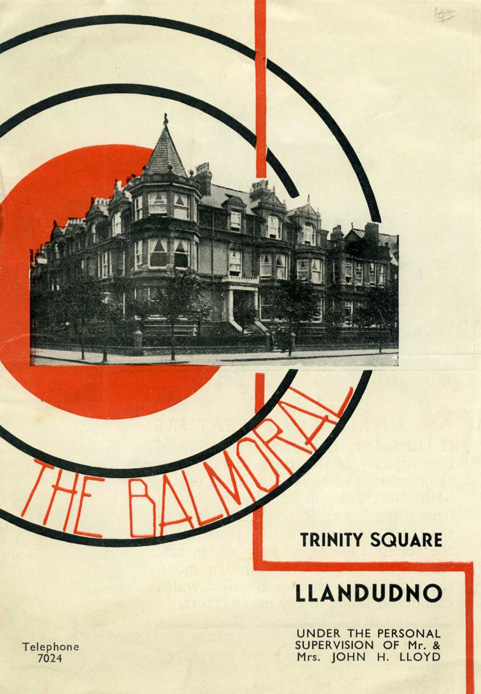
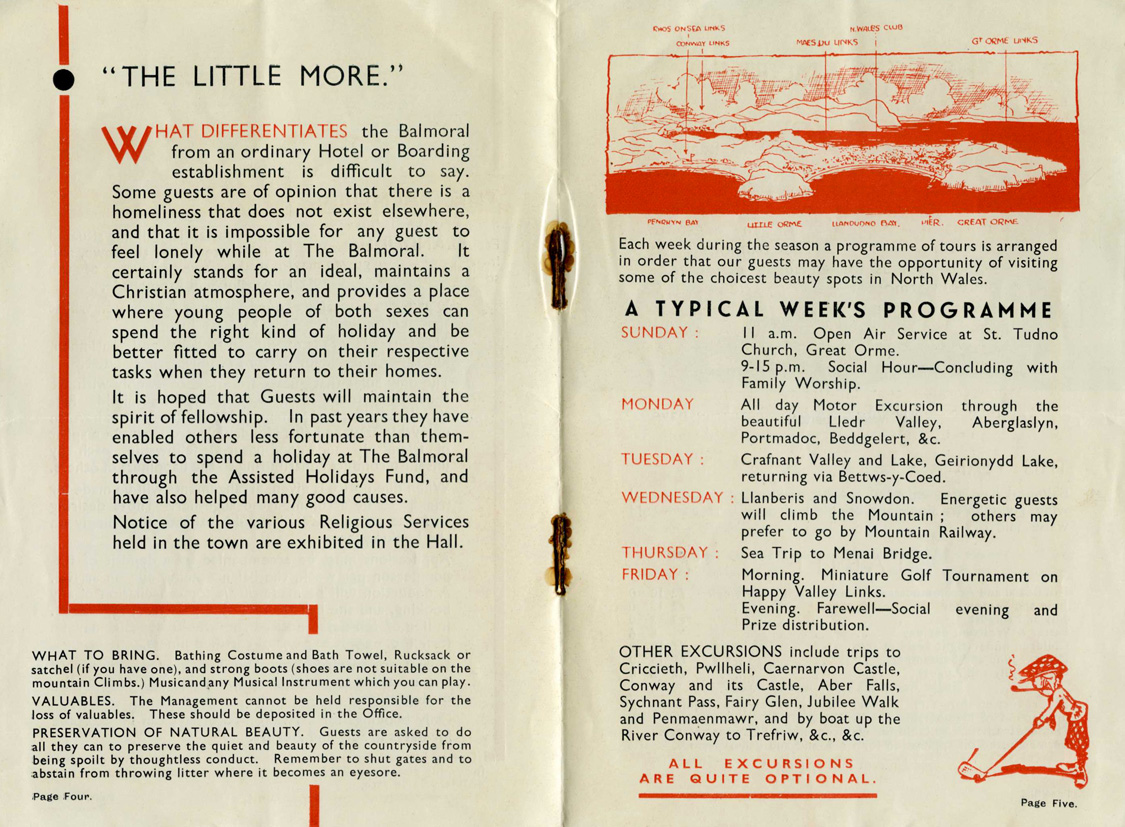
Heading north, we reach Llandudno and check into the Balmoral Hotel. Nowadays, the building houses holiday apartments, but in the 1930s, the hotel’s brochure suggests they catered to a young, “well-behaved” crowd. The brochure outlines a typical week’s events: an open-air church service on Sunday, a mini golf tournament on Friday. It paints a picture of a quite structured getaway, quite different from the more spontaneous trips common today.
Odeon Cinema (May 1939), item from Conwy Archive Service:
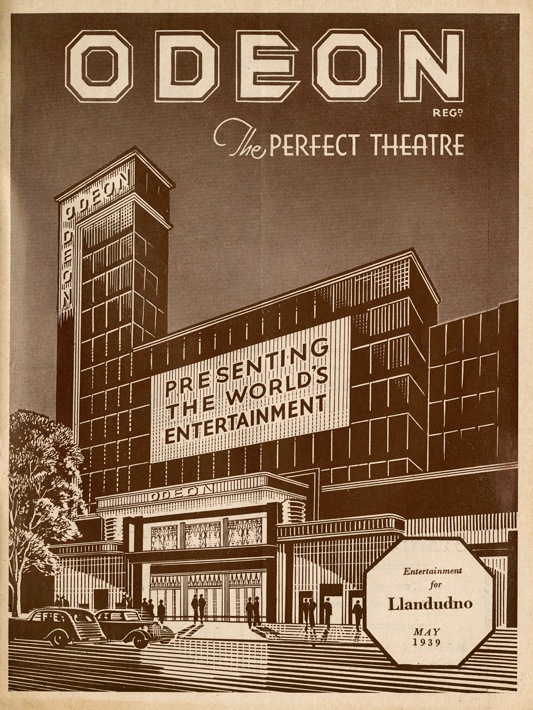
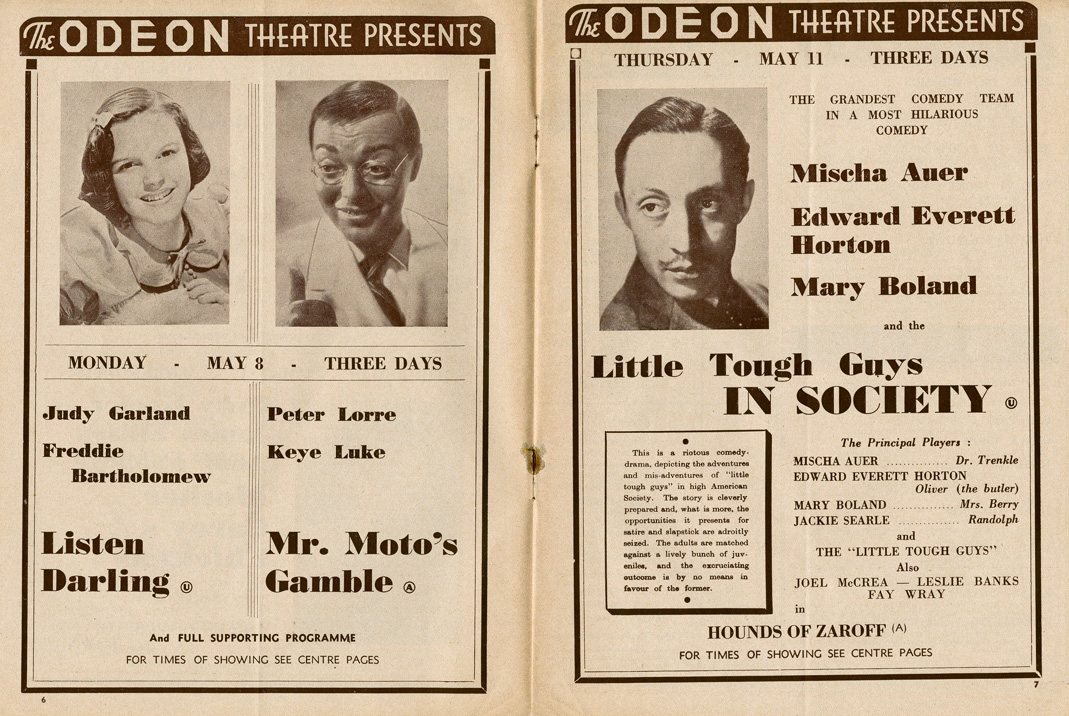
After our hotel stay, we visit the Odeon Cinema in May 1939 — proudly billed as “The Perfect Theatre”! The cinema is showing “Listen, Darling”, starring a young Judy Garland, just six months before The Wizard of Oz would enchant UK audiences. It’s fascinating to imagine the audience watching Garland, unaware that she was months away from becoming a global icon.
Dinner at Penarth Vegetarian Guest House (1950’s), or Bindles Restaurant (1950’s), items from Glamorgan Archives:
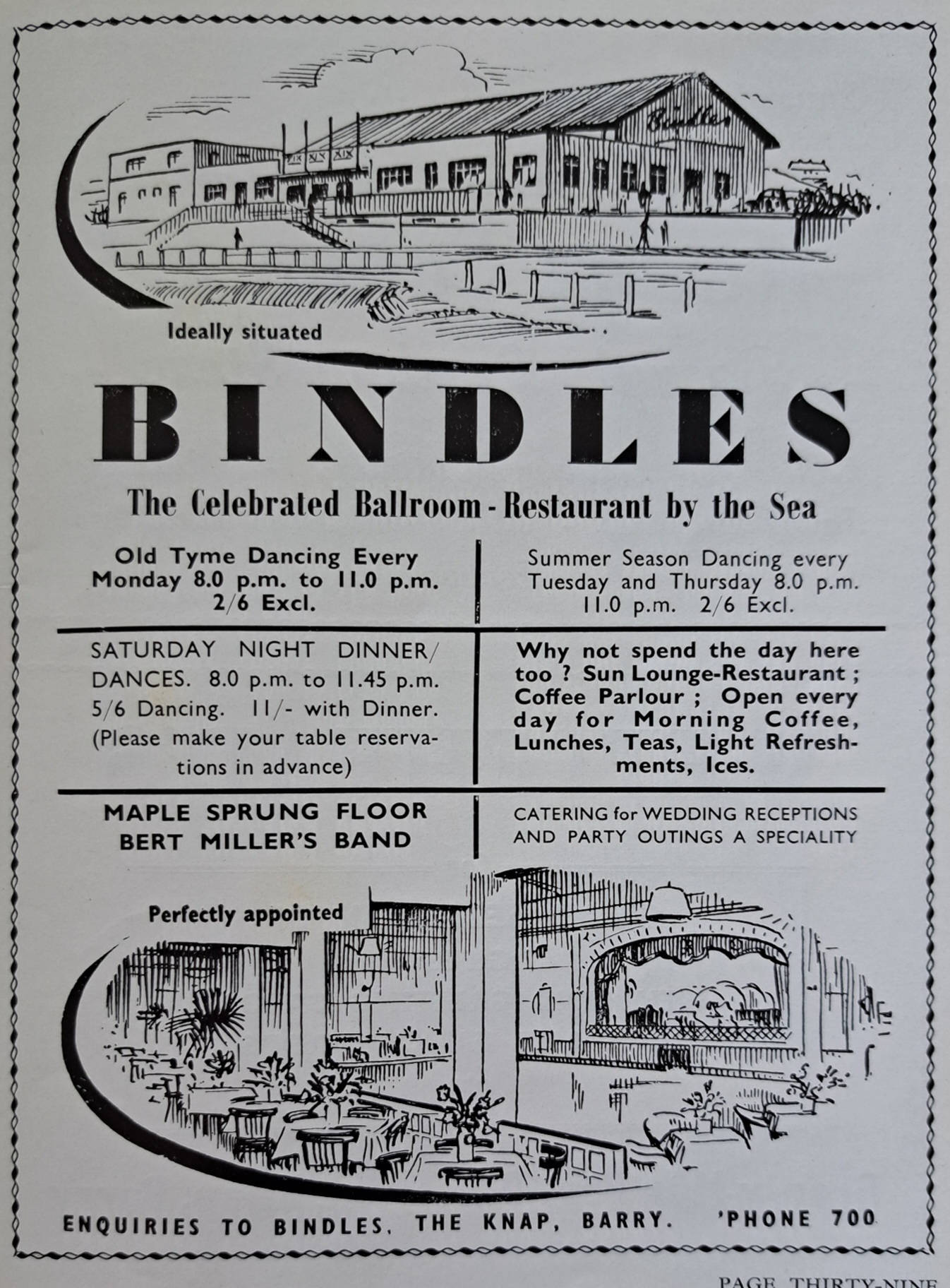
Heading south to the Vale of Glamorgan, we face a tough decision for dinner. One option is the Penarth Vegetarian Guest House, who advertises a brochure you can send away for — a quaint reminder of a time before instant online searches. Alternatively, there’s Bindles, “The Celebrated Ballroom-Restaurant by the Sea,” complete with organized dances, a sun lounge, coffee parlour, and live bands.
St. David’s College Magazine adverts (1960s), item from Roderic Bowen Library and Archives, UWTSD:
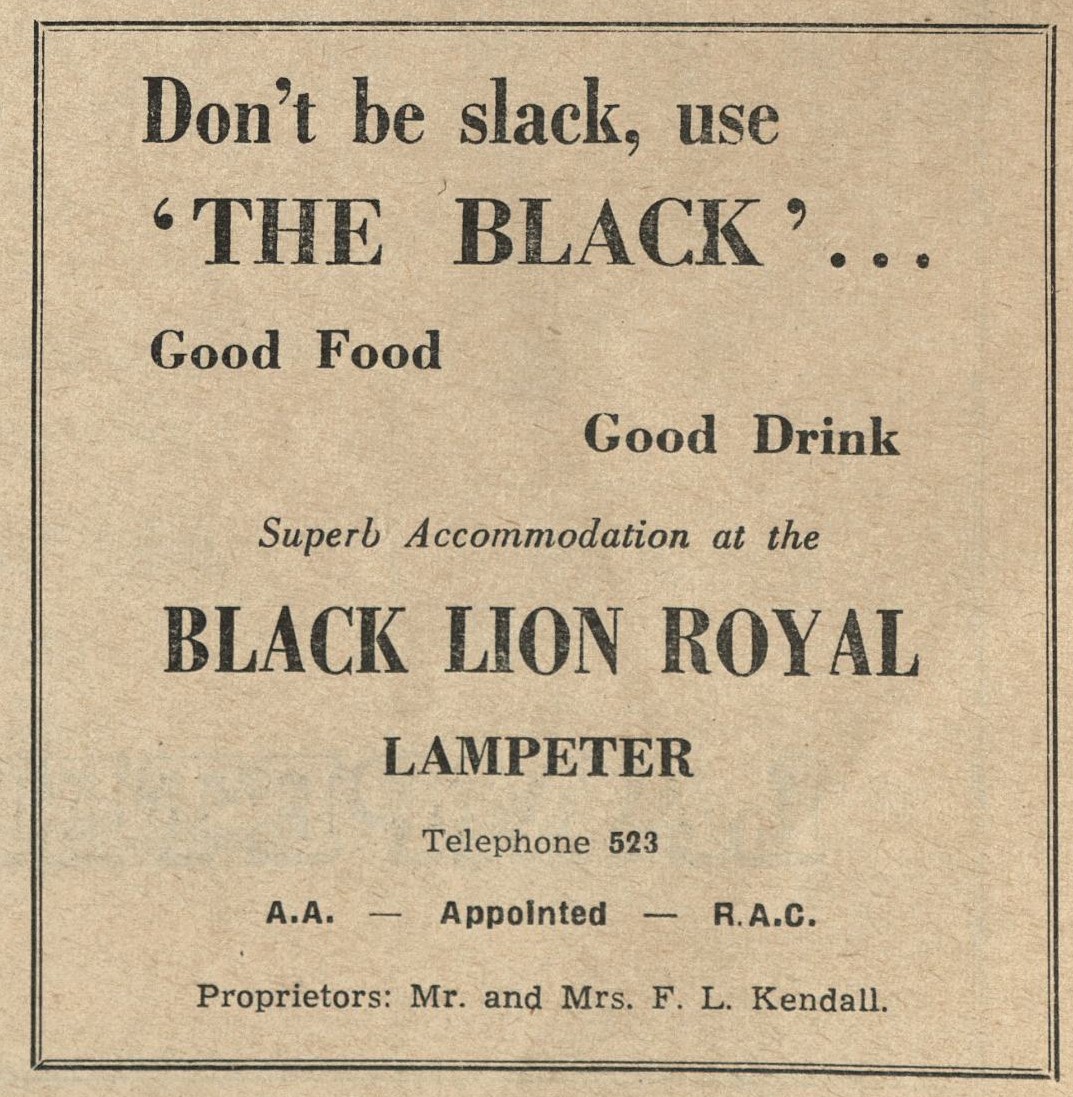
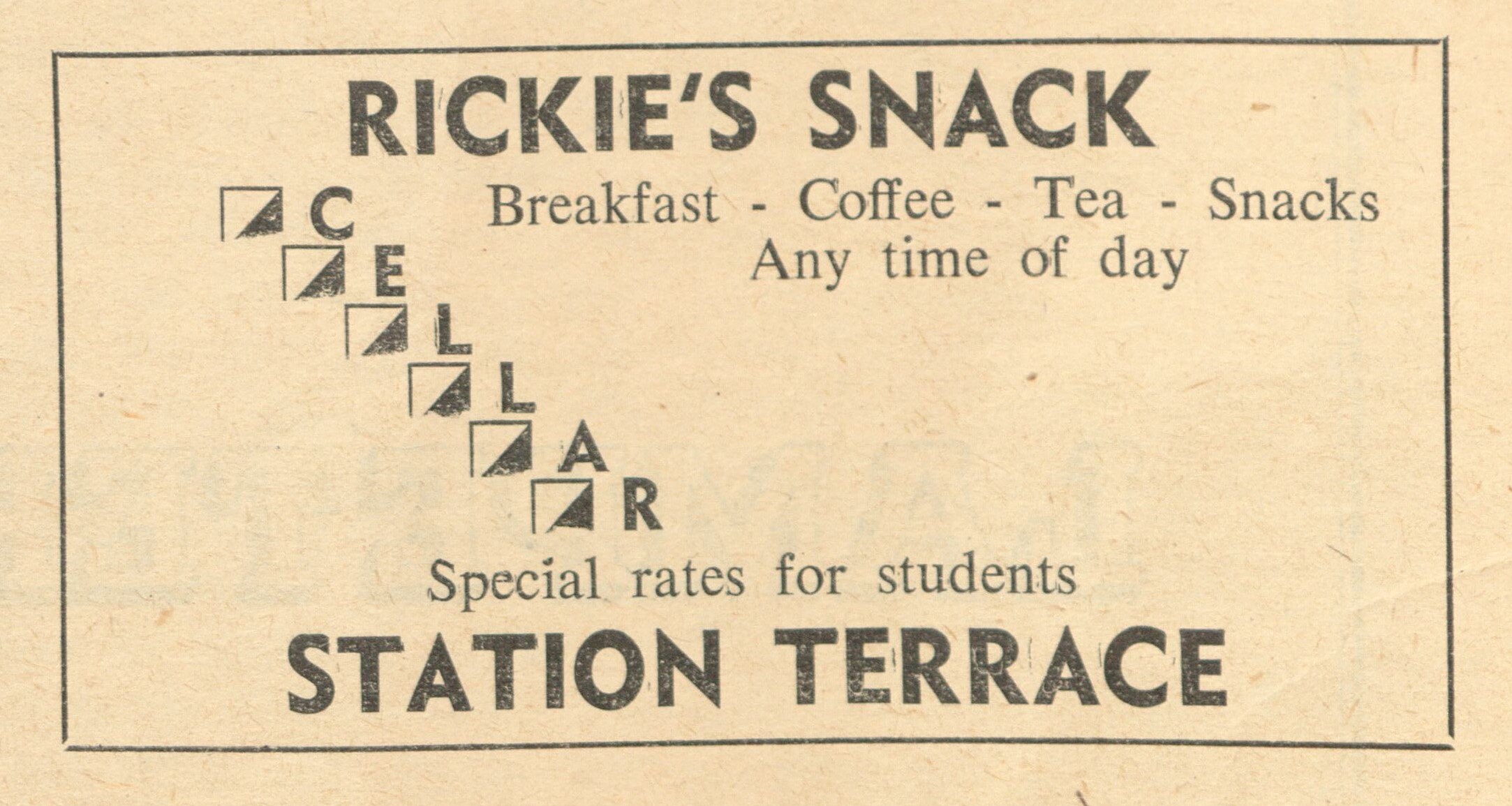
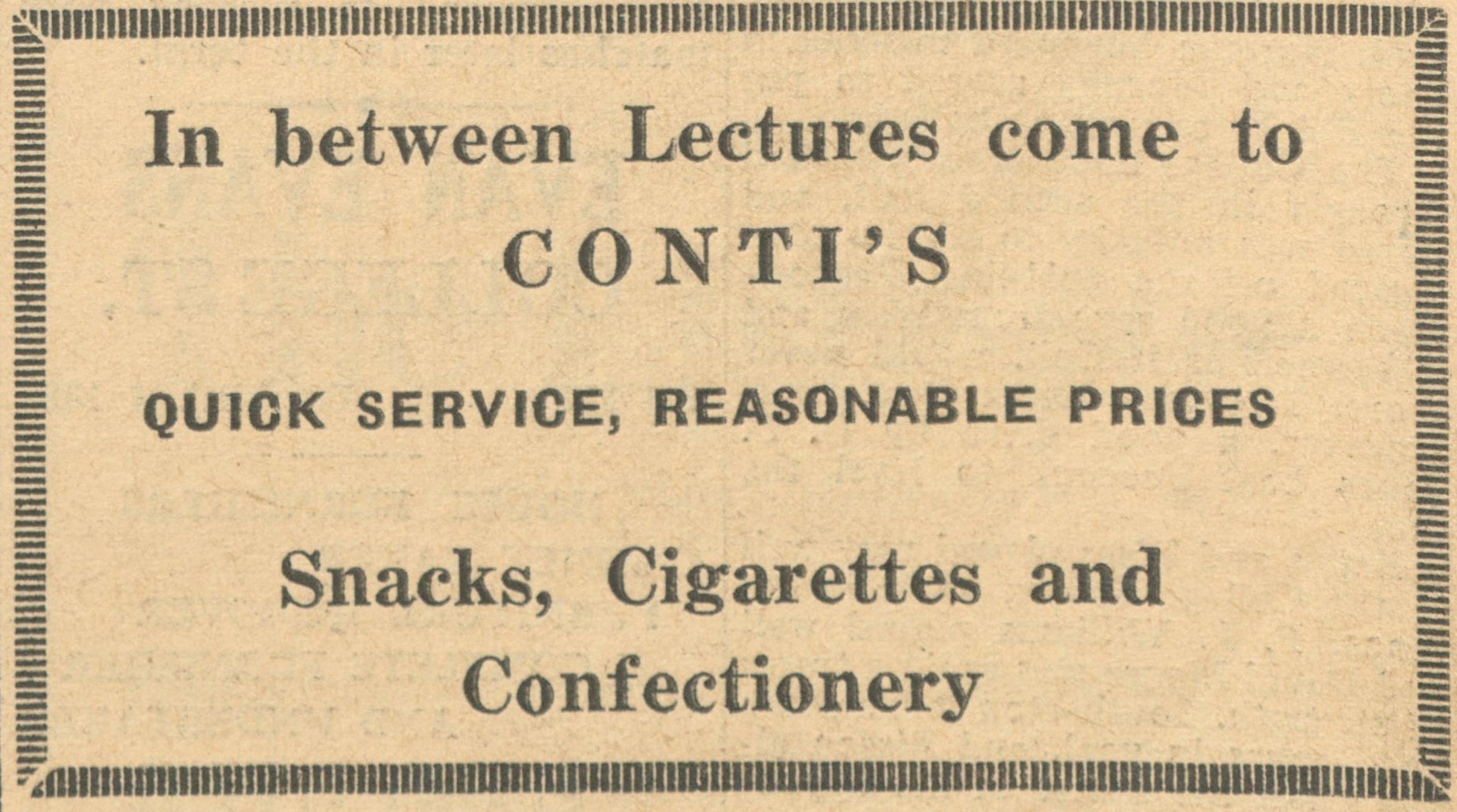
Next, we travel to 1960s Lampeter, where the college magazine, “The Gownsman”, features a cluster of local adverts. Rickie’s Snack Cellar offers “special rates for students,” while Conti’s invites students to visit between lectures. The Conti’s advert even promotes cigarettes – now a relic of a different era and something that would be illegal today. Then there’s the Black Lion Royal, with its cheeky slogan: “Don’t be slack, use The Black.” These snippets of student life give us a glimpse of how much (and how little) campus culture has changed.
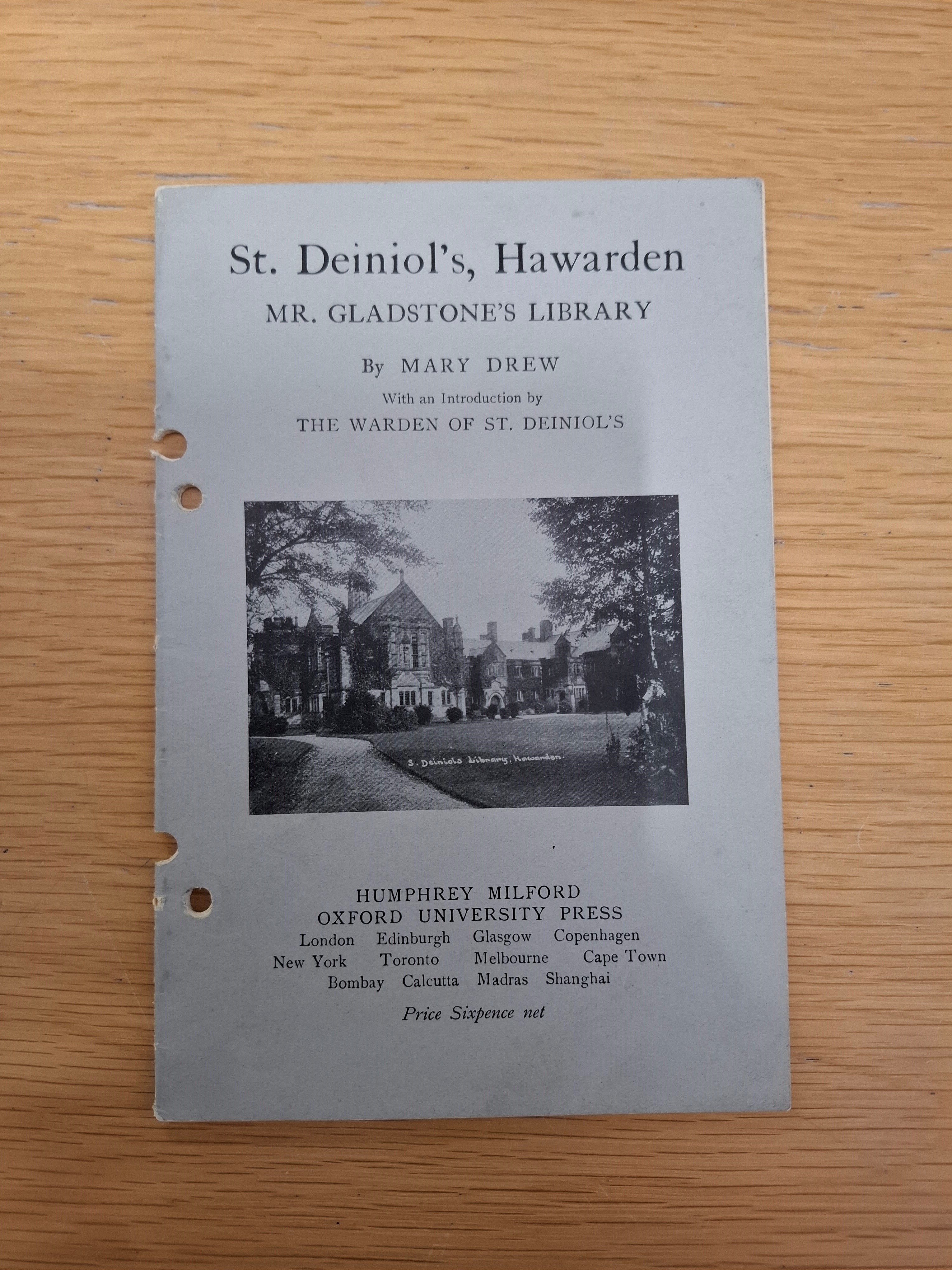
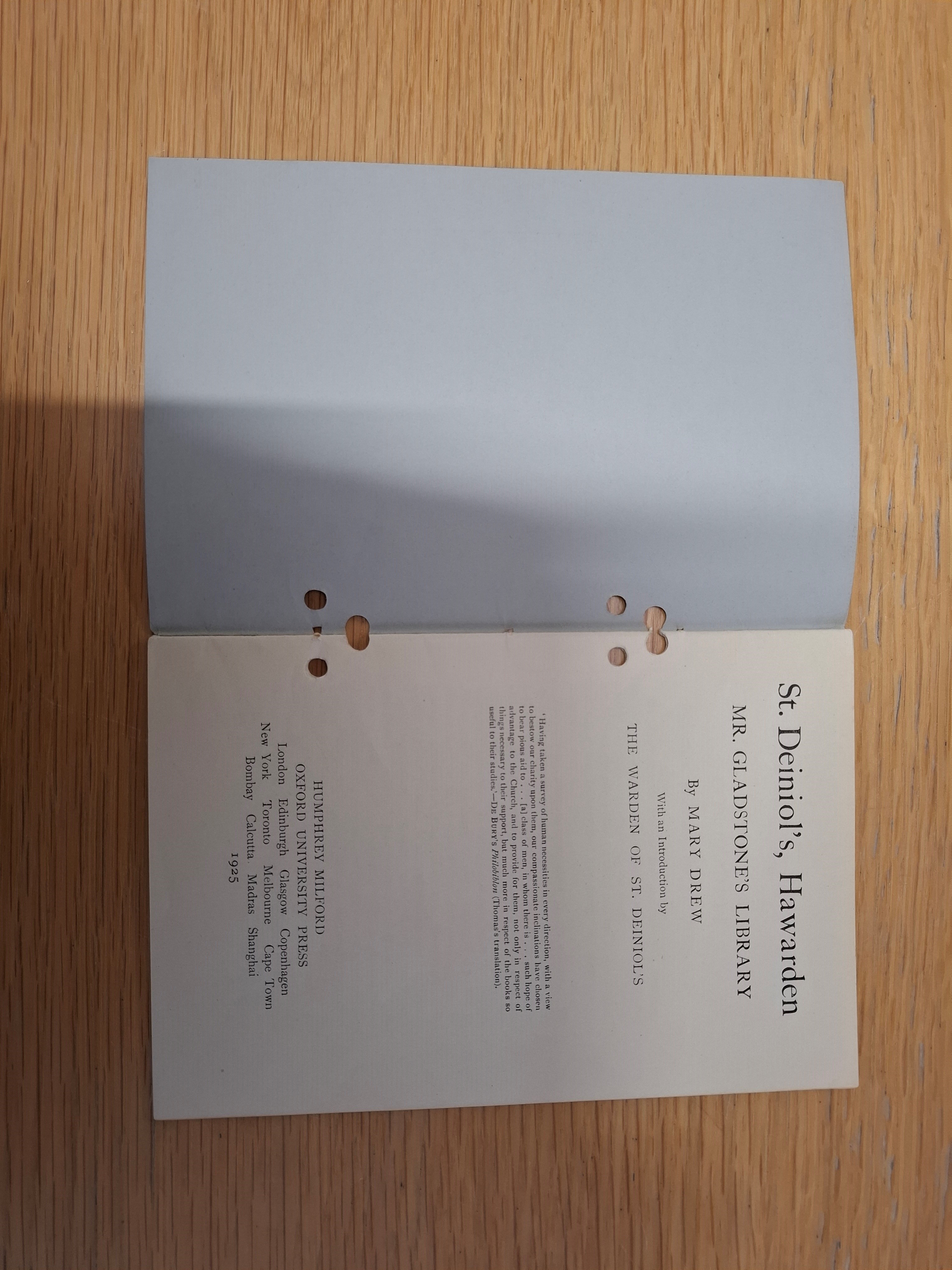
St. Deiniol’s Hawarden, Mr Gladstone’s Library by Mary Drew (1925), item from Gladstone’s Library:
Advertising leaflets for St. Deiniol’s Library (2008 & 2010), items from Gladstone’s Library:
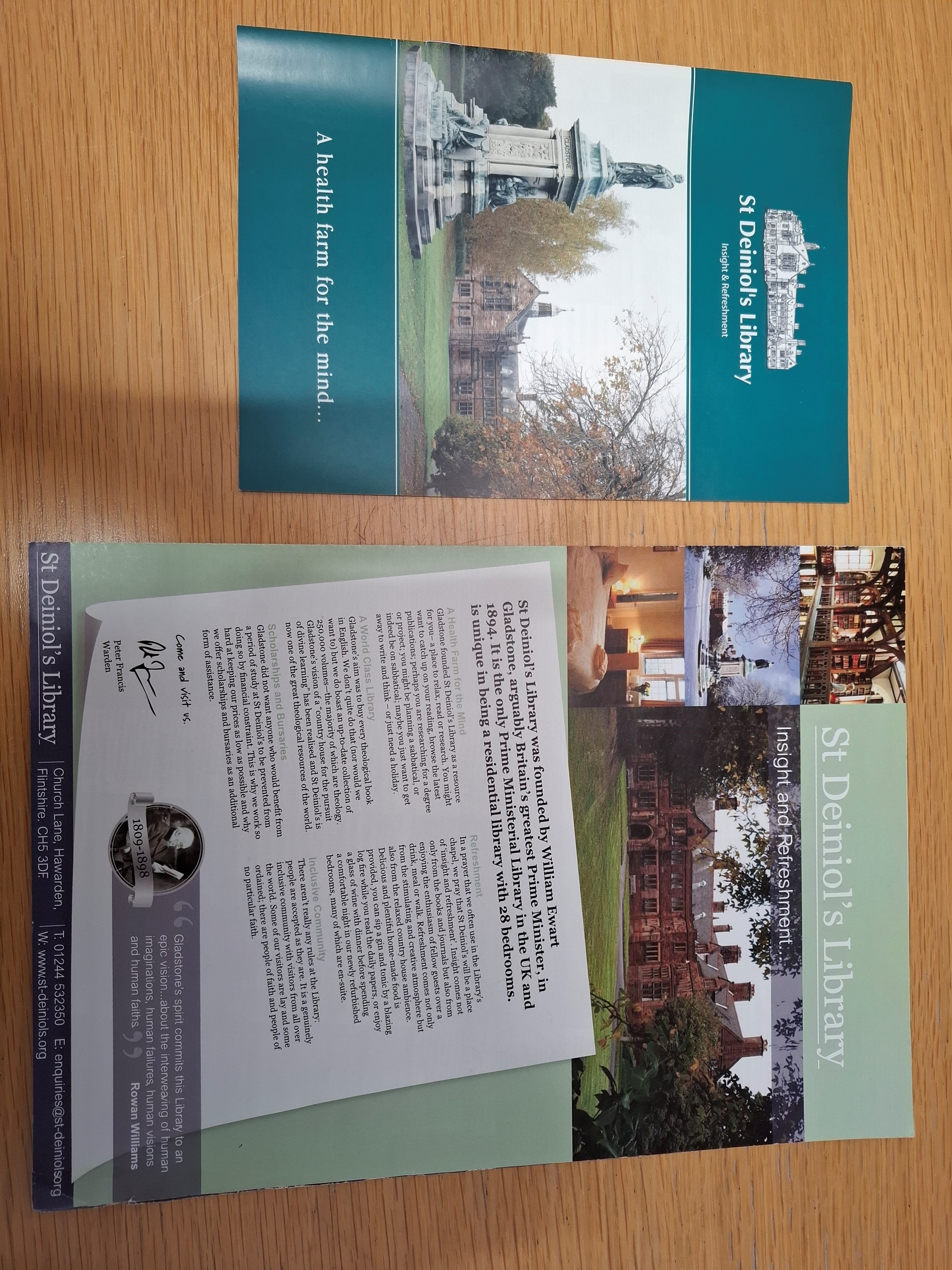
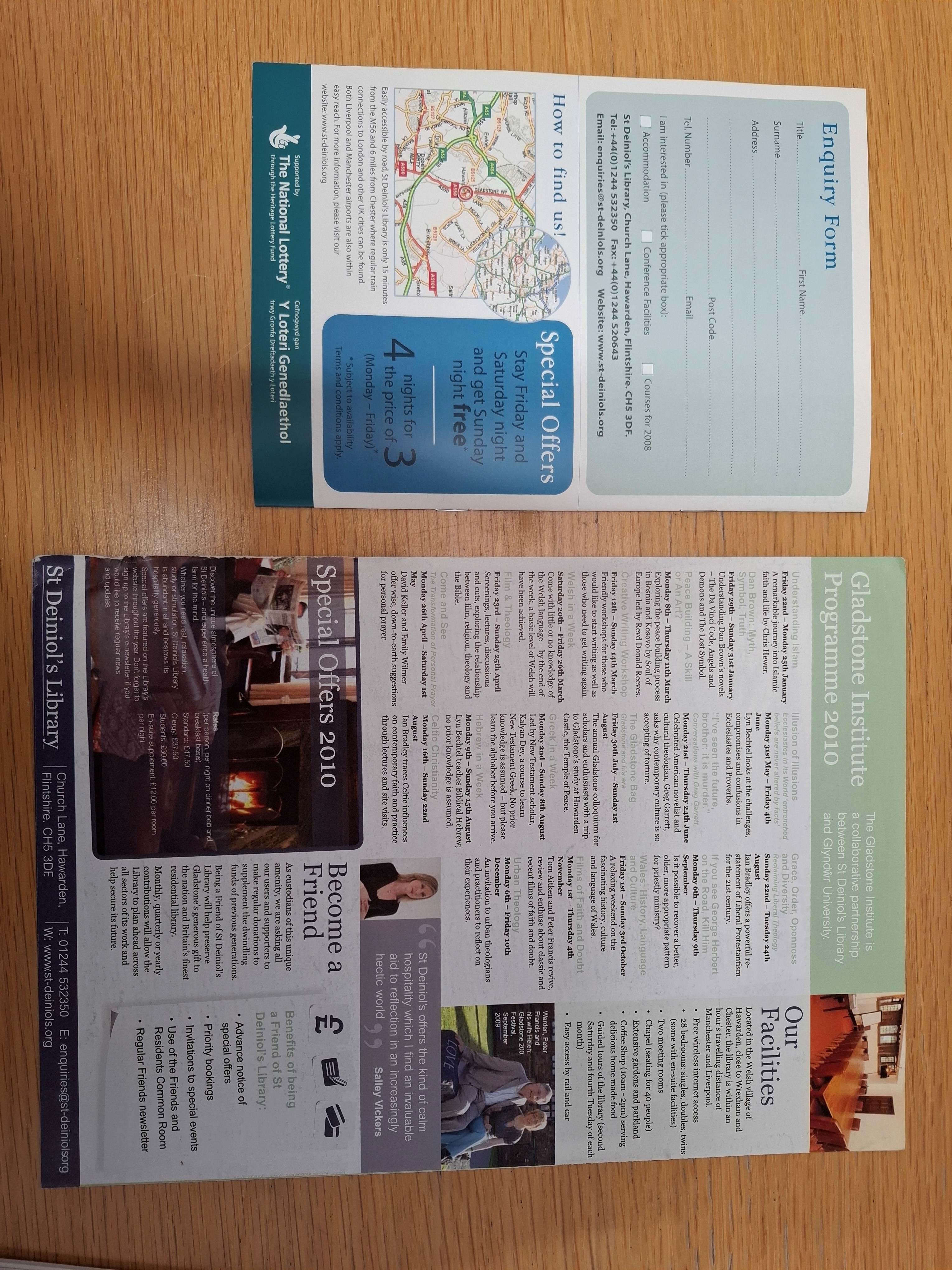
Our journey concludes at Gladstone’s Library, known for much of its history as St. Deiniol’s Library. The archive holds leaflets spanning decades — from a booklet published in 1925, written by William Gladstone’s daughter Mary, to fairly recent advertising leaflets from 2008 and 2010.
It’s a fitting final stop, reminding us that history isn’t static or unreachable. The people who visited Gladstone’s Library, and indeed all of Wales, in the past were just as excited for their holiday as we are for ours today. Maybe the past isn’t such a different country.