A Walk Through Welsh Archives
Wales is a walker’s paradise, offering a diverse range of landscapes from craggy mountains to rolling countryside and dramatic coastlines.
Wales attracts tourists from all over the world, many of whom come to enjoy hiking and walking. We have several famous routes: Pen Y Fan, Yr Wyddfa (Snowdon), not to mention the Wales Coast Path, which stretches for 870 miles along the entire coastline!
Take a look at these images showcasing some local beauty spots from collections in Welsh archives to get an idea of what might be in your local archive.
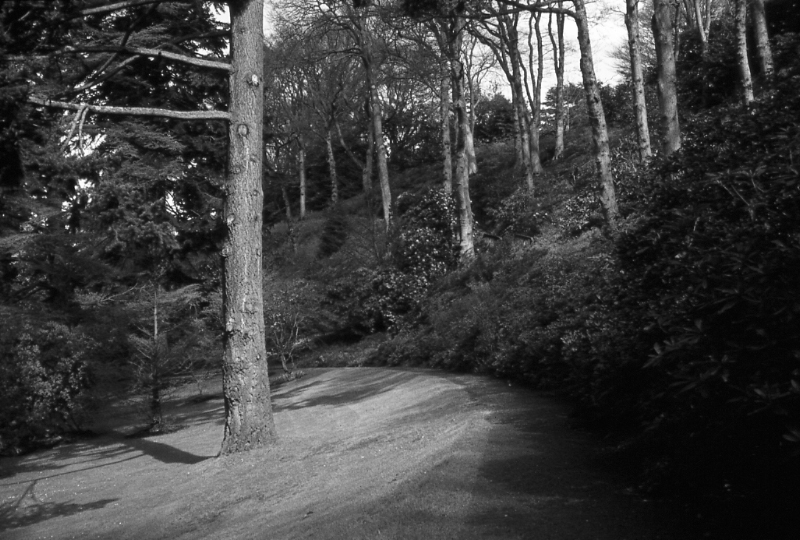
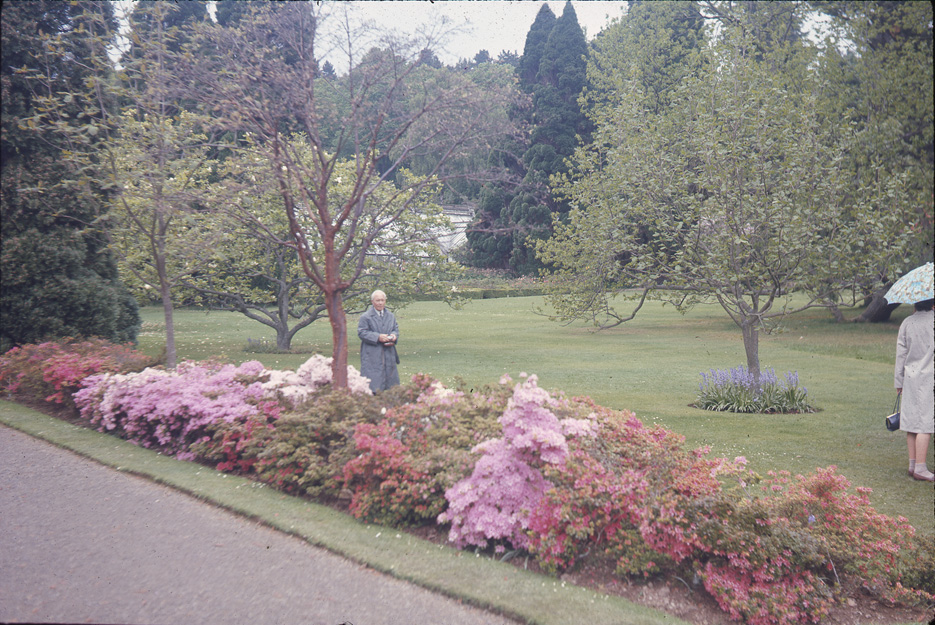
These images from Conwy Archive Service show parts of Bodnant Gardens. The gardens stand in the grounds of Bodnant Hall, near Conwy. The gardens were created over five generations of the same family, eventually being given to the National Trust in 1949. They remain incredibly popular, visited by well over 250,000 people a year!
This photograph, also from Conwy Archive Service, shows a stepping stone path over the River Conwy. A popular spot for Victorian visitors to Betws Y Coed, they were probably the earliest crossing of the river and were used until 1912 when someone had an accident and fell off them. They are no longer used.

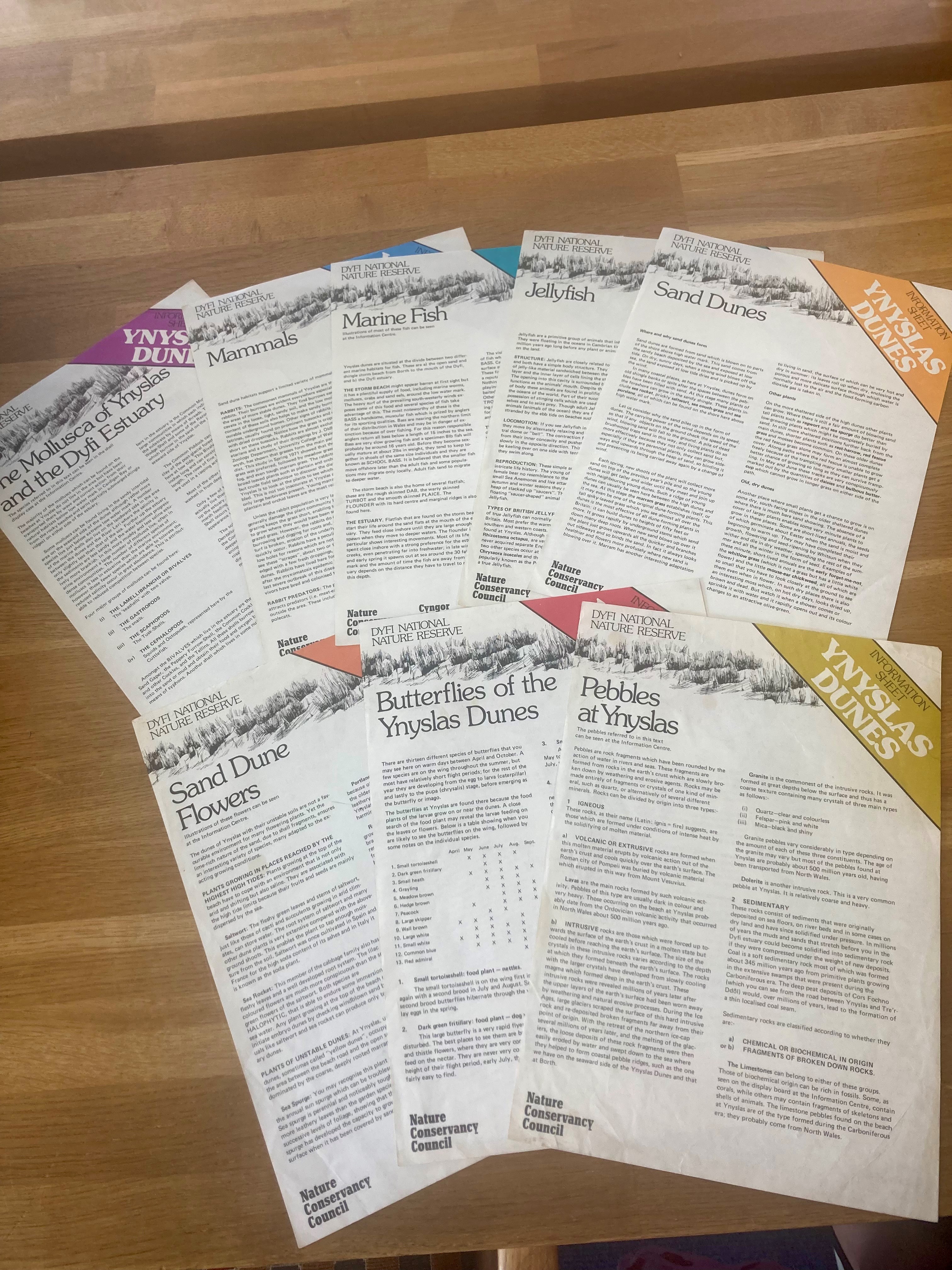
This series of information sheets from 1975 on Ynyslas Dunes show that public interest in nature and conservation has remained consistent over time, though items nowadays often have quite a few more pictures!
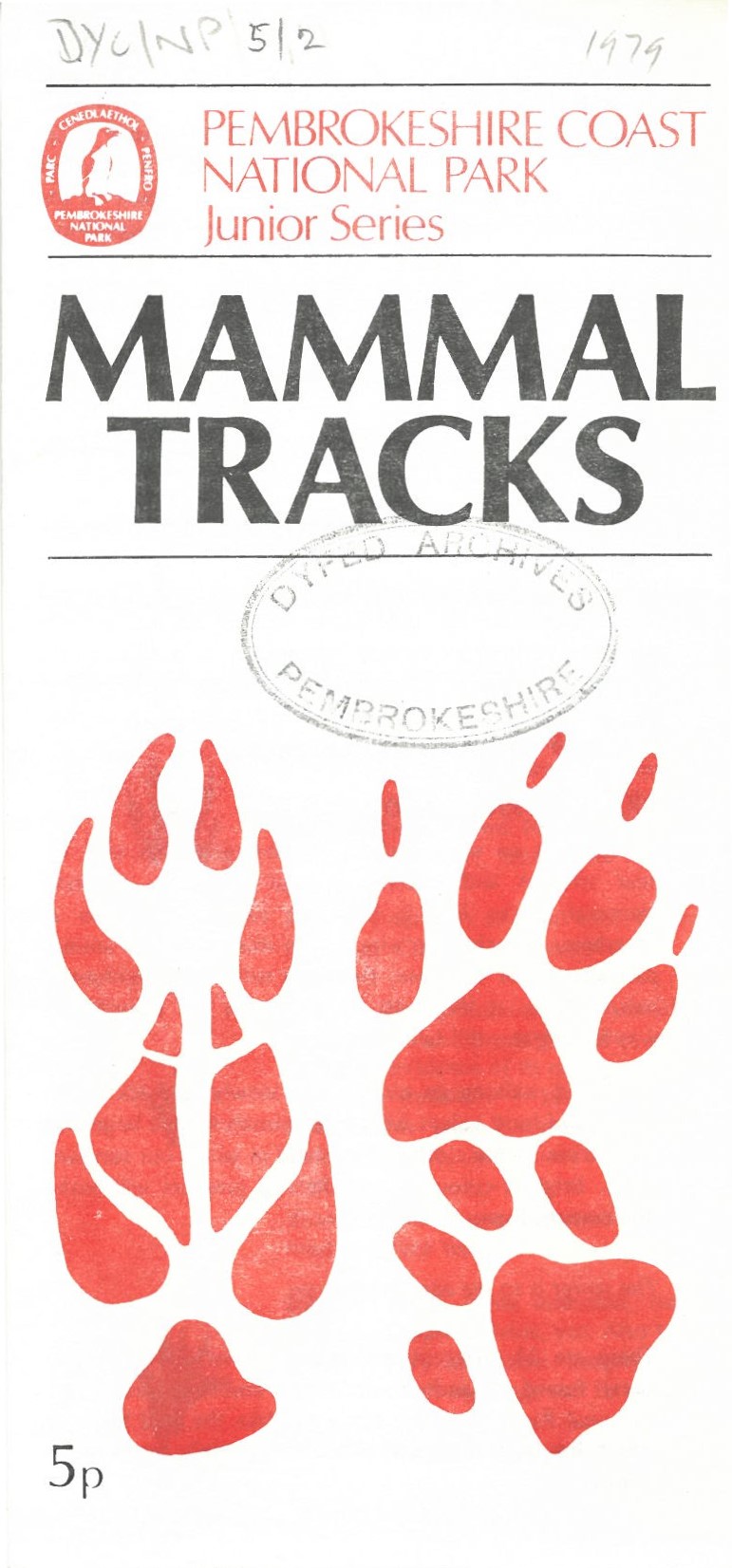
There are also many items concerning wildlife in the archives. Items like these are important to preserve because they tell future generations how the public (and children) were informed about animals in the past, and what information they found interesting!


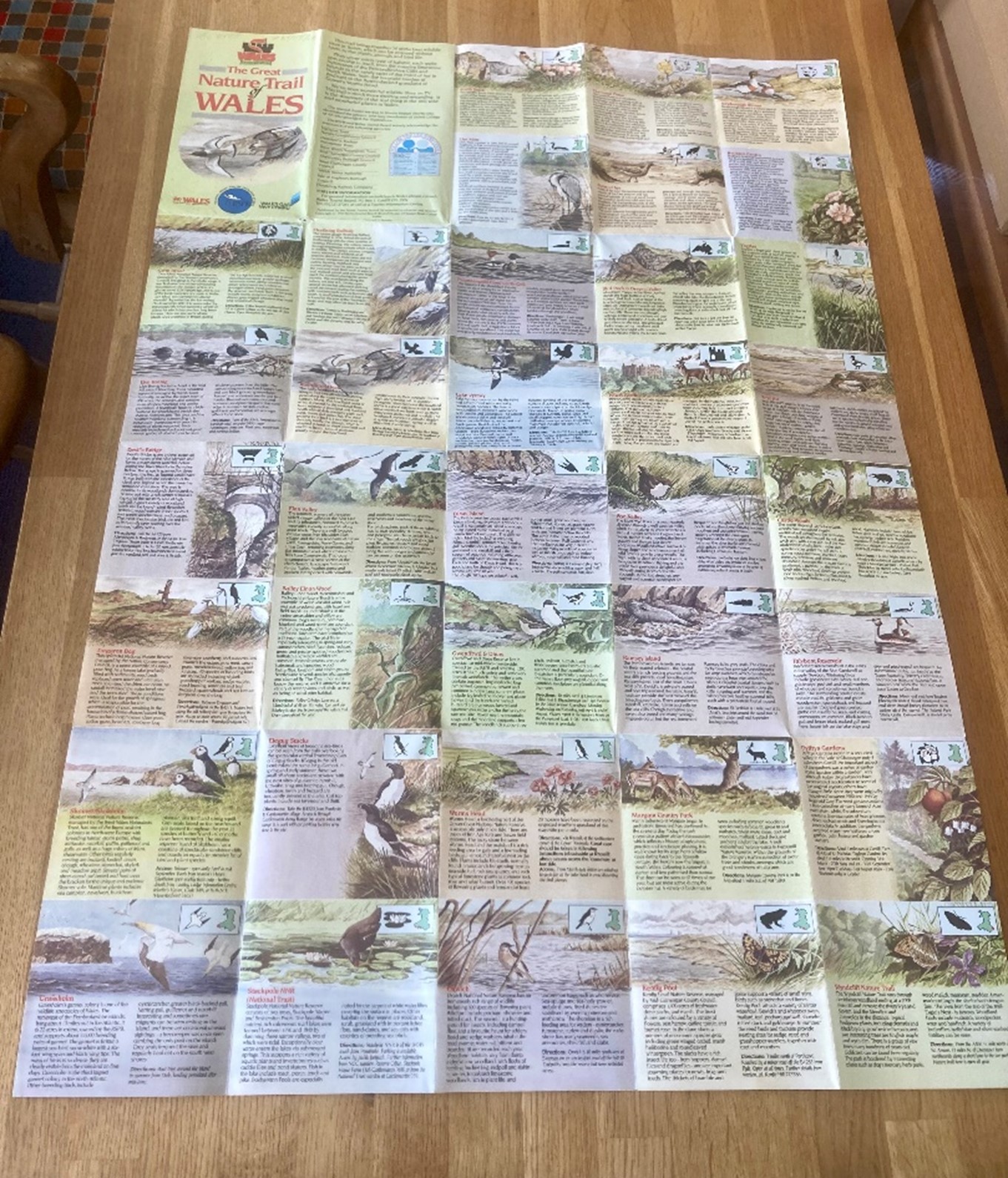
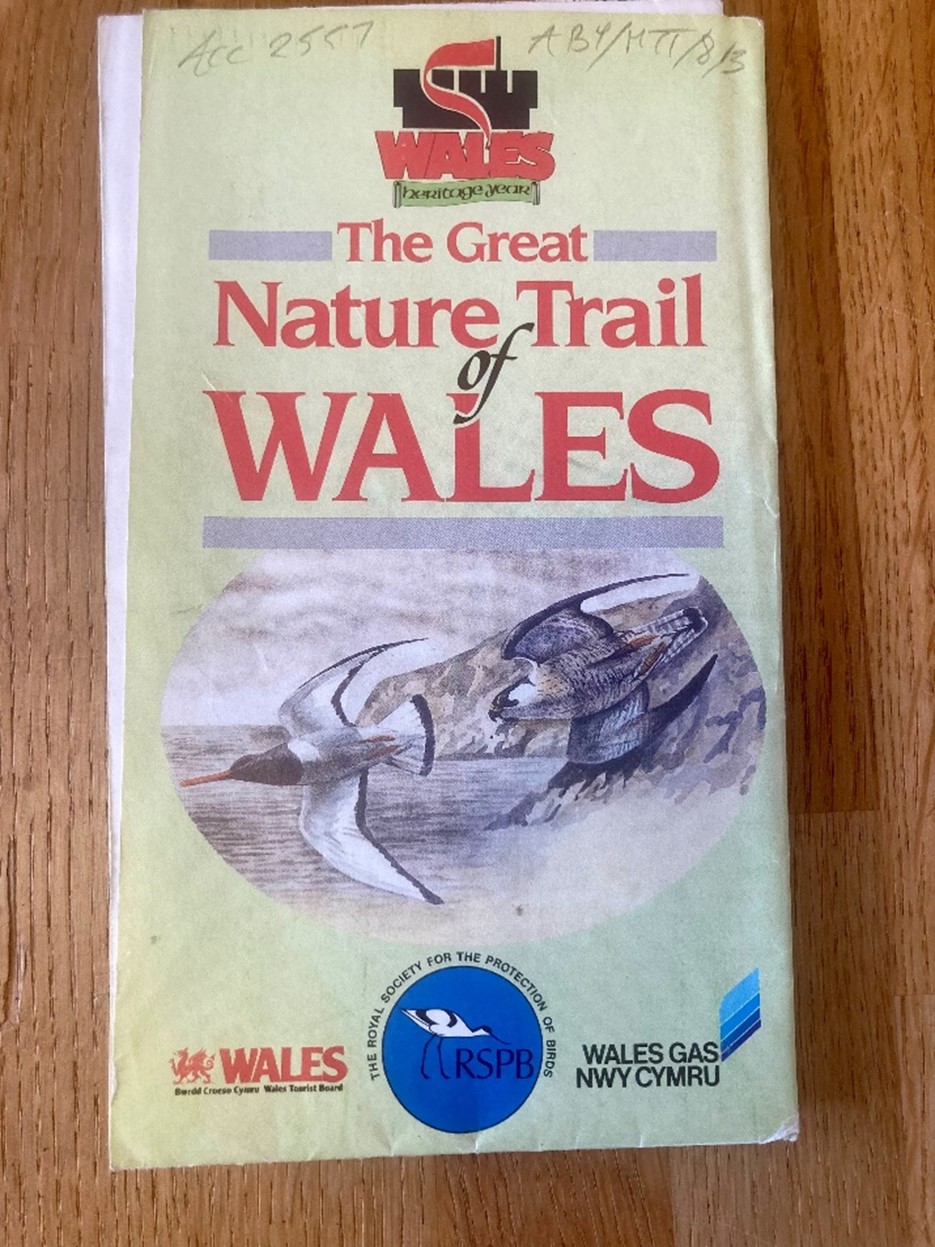
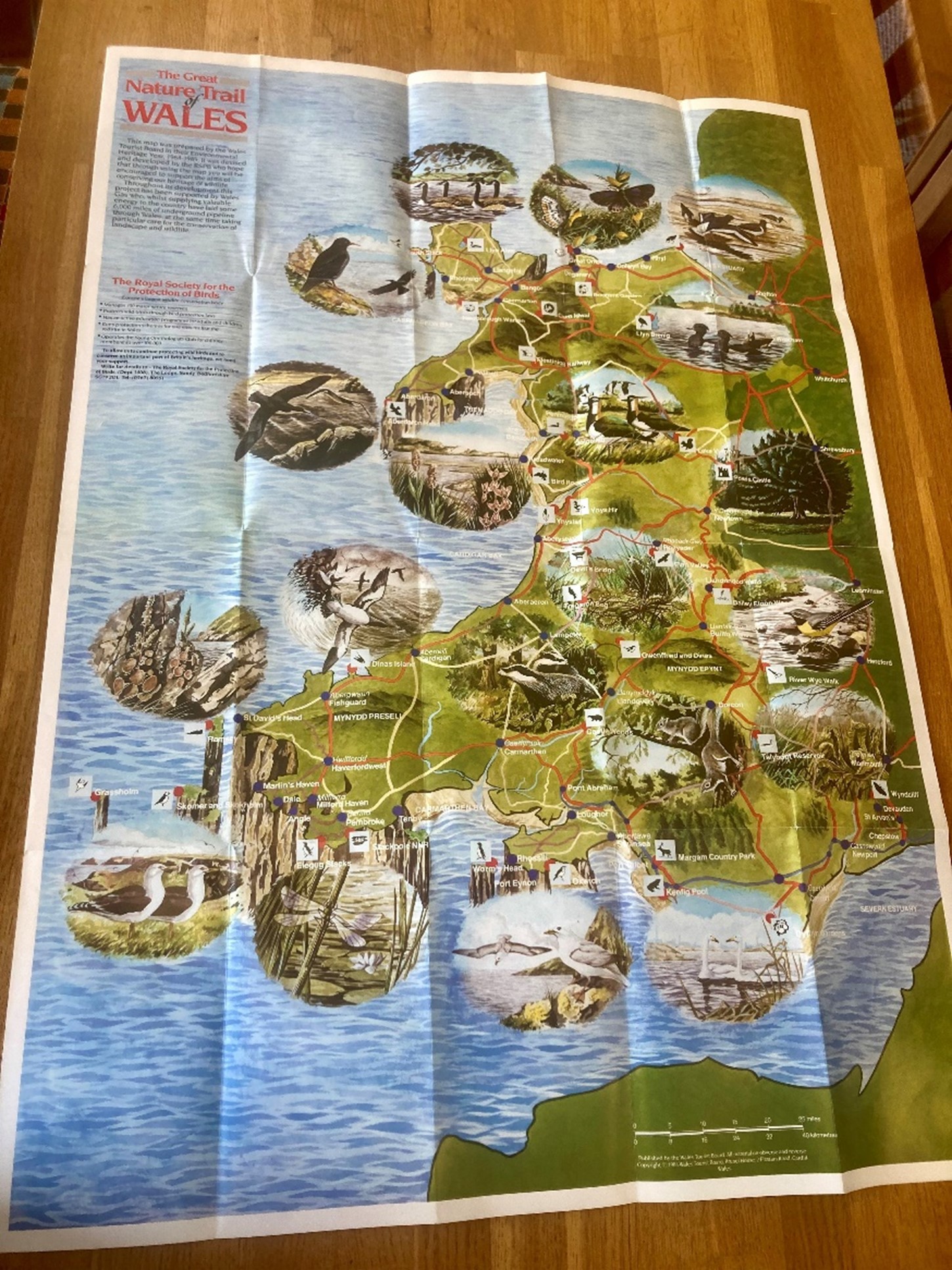
Of course, any blog about walking in Wales would be incomplete without mentioning our Coastal Path, which is the first path in the world to follow a country’s coastline in its entirety.
Opened in 1970, the Pembrokeshire Coast Path was the first National Trail in Wales and is one of the major attractions in Pembrokeshire. It stretches from Amroth in the south to Poppit Sands in the north. These are the first and last cards of the PCNP’s Coast Path Series cards which map the route. On the reverse of the cards are details of some of the interesting sites along the walk.
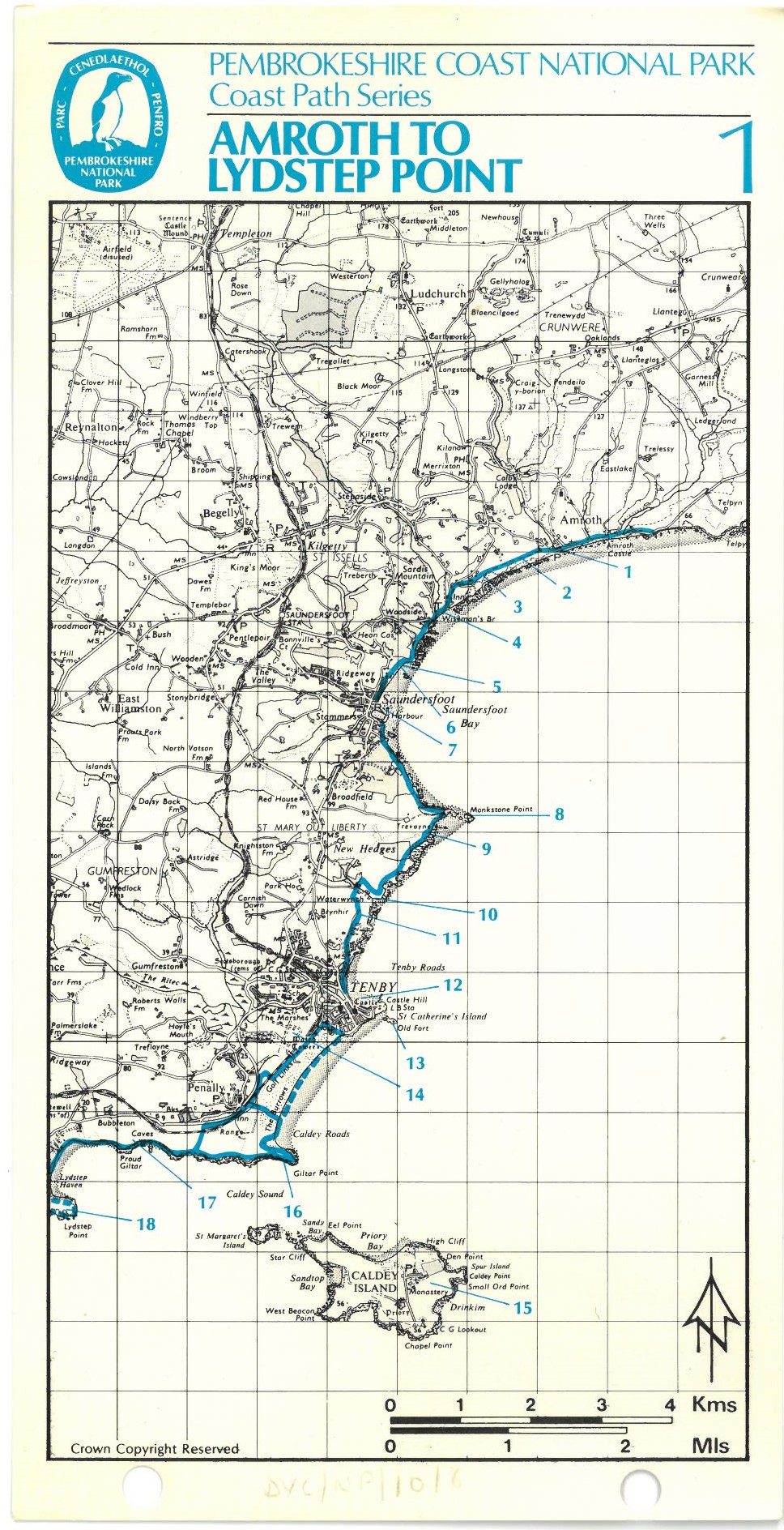
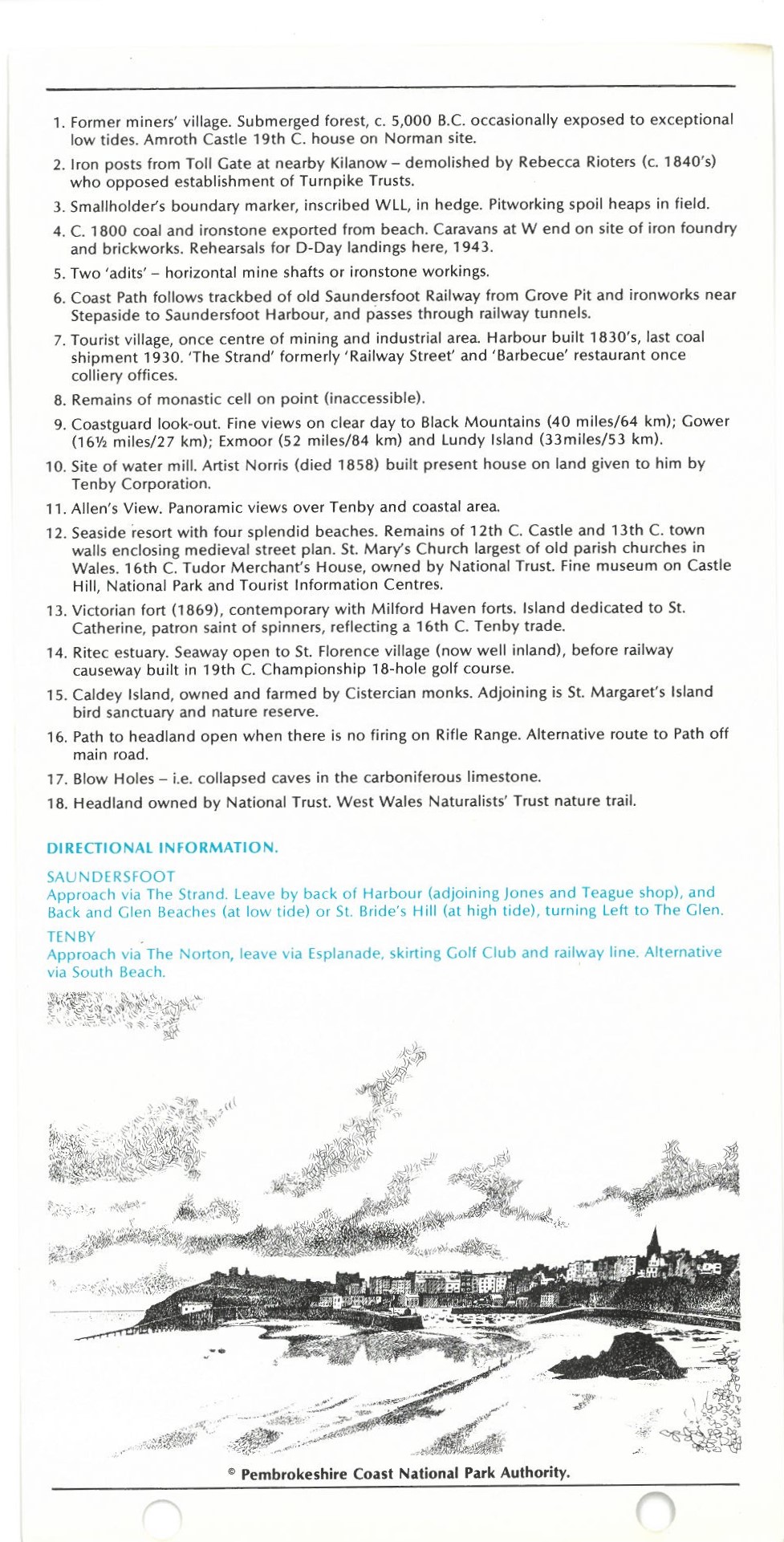
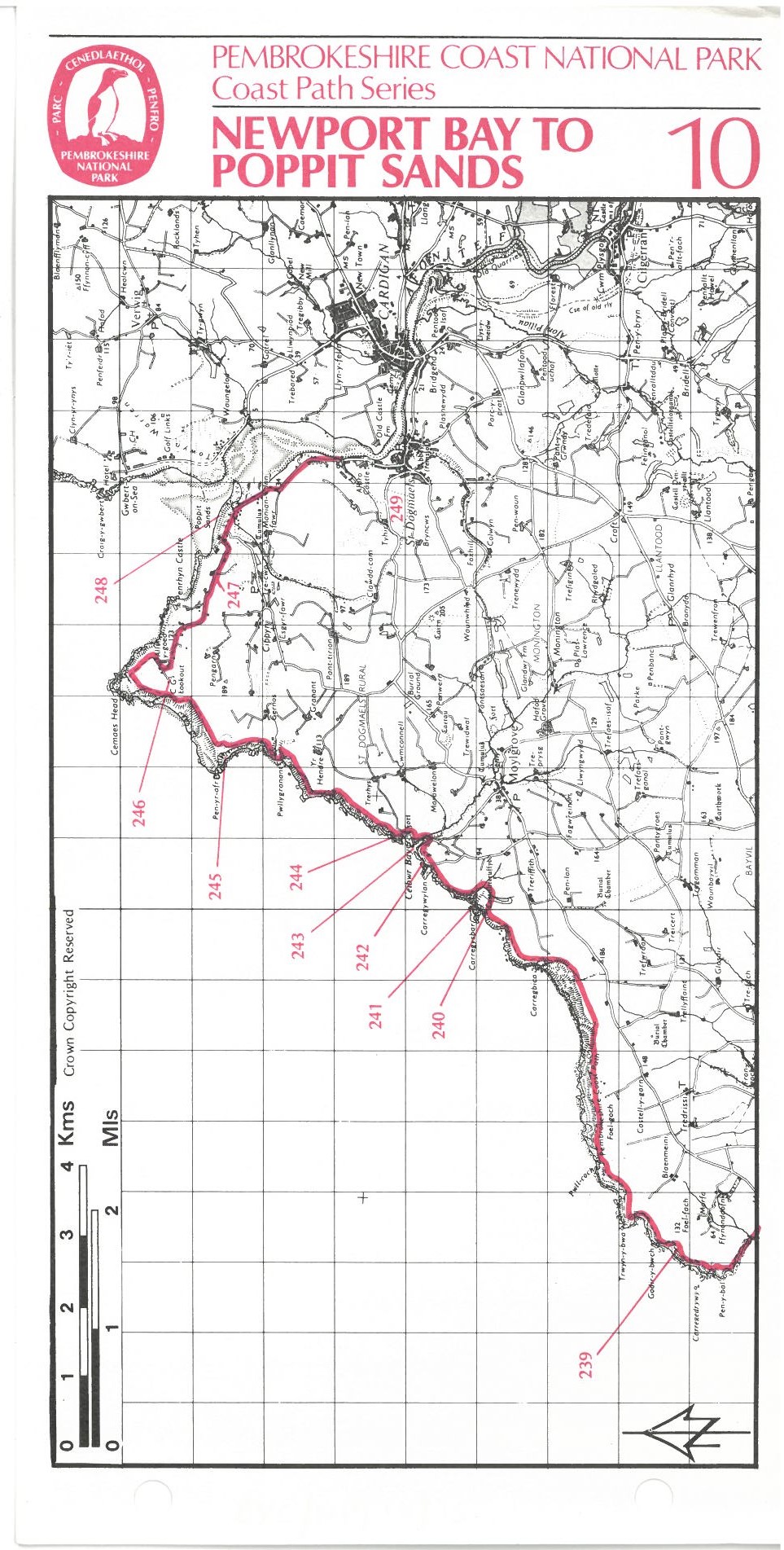
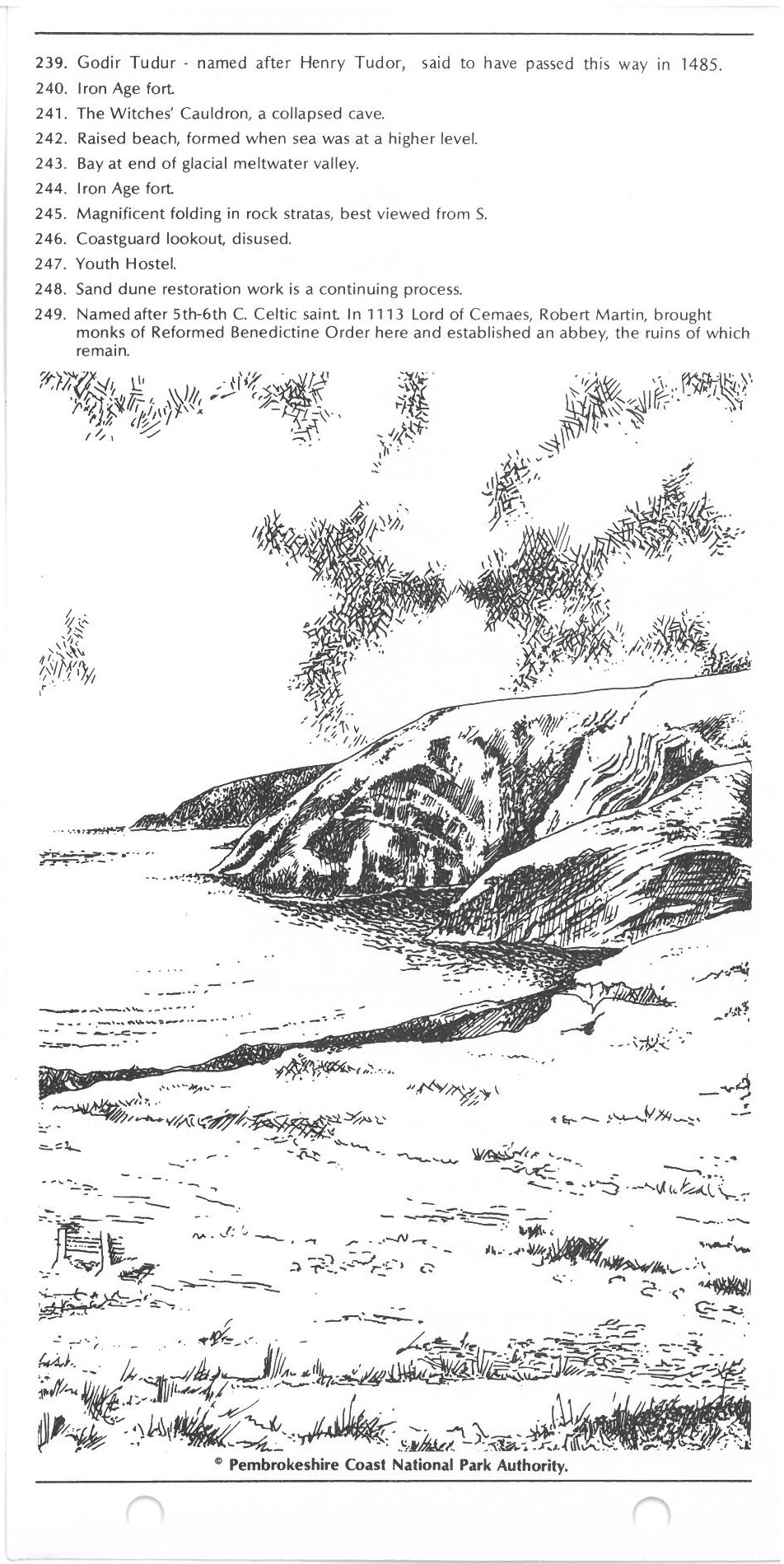
Pembrokeshire Archives & Local Studies also have an extensive collection of administrative documents and publications designed to educate tourists about the area. They include these documents about the Pembrokeshire Coast National Park, which was designated a national park in 1952. It covers over 200 square miles, predominantly along the coastline.
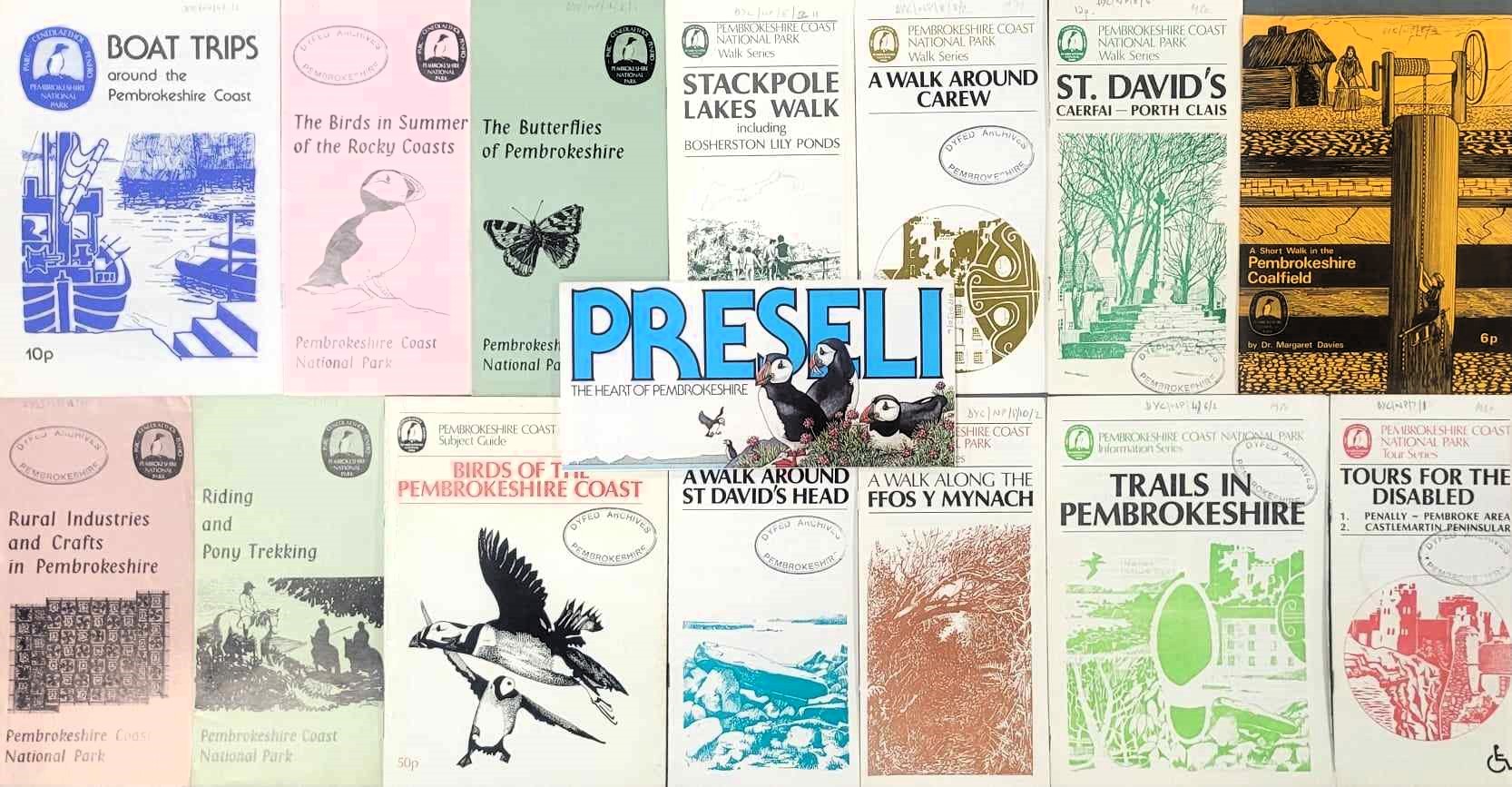
Documents held in our archives remind us that, for both locals and tourists, the nature of Wales has long been popular, and that we should maintain that nature for future generations.