Gwent Archives’ Disability Access Audit
Over the Summer Gwent Archives was delighted to receive an ARCW Development Grant which allowed us to engage the professional services of Trevor Palmer BEM, founder of disability awareness organisation GL100 Services Ltd. Trevor undertakes access audits of businesses and organisations with the aim of highlighting areas of improvement which support ‘disabled people’s employment, learning and visiting experience’.
Trevor’s visits were a really positive experience for Gwent Archives. It was great to tour our building, offices and public search room with Trevor knowing that the many questions asked and answered, photographs taken and perceptions challenged would all prove to be invaluable in helping us to develop our understanding and experience of accessibility issues. It was also informative and reassuring to have Trevor’s experience of interpreting legislation such as the Equality Act 2010 when discussing practical requirements.
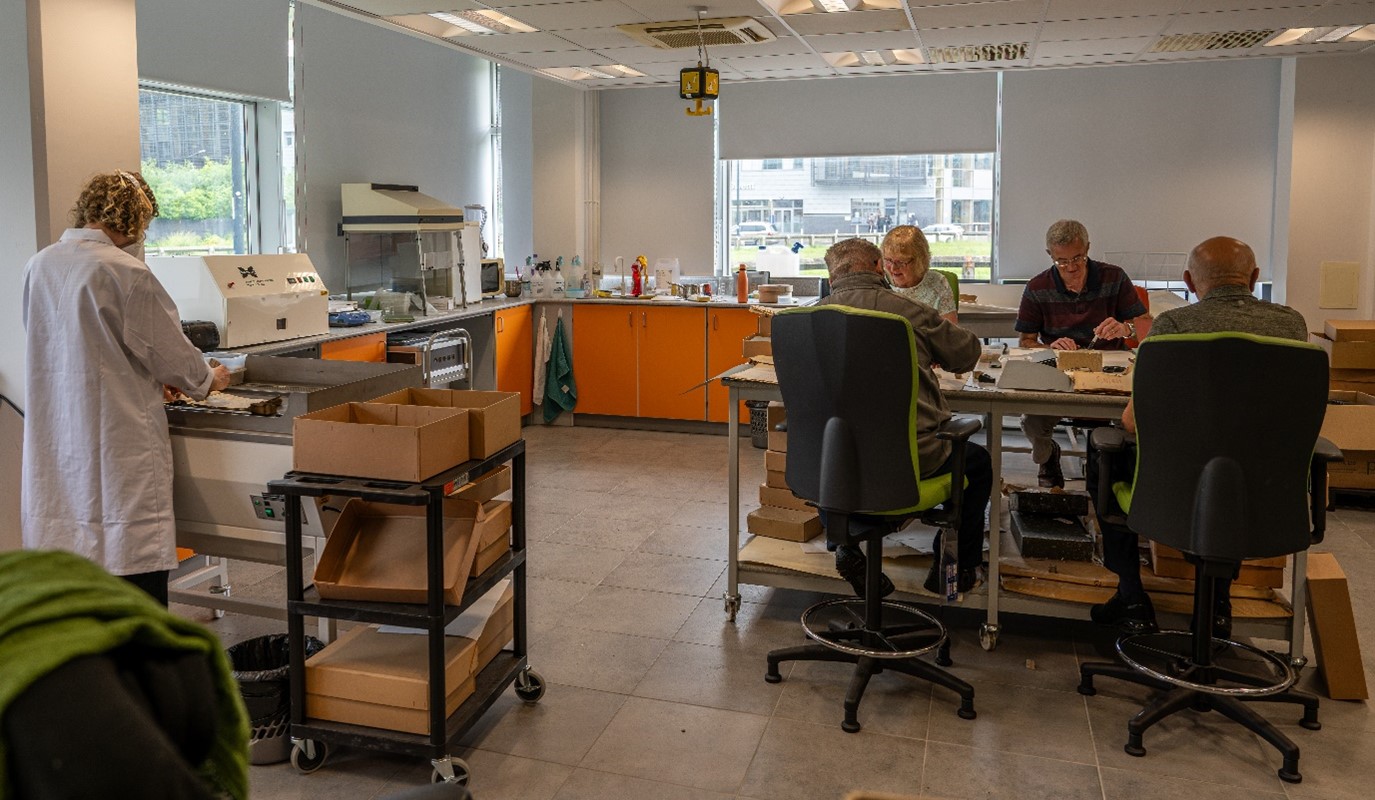
The scope of the survey was set to assess accessibility from the perspective of staff, volunteers, visitors and service users with a wide range of access requirements, or none. This was to ensure that any recommendations received were comprehensive in their consideration of all physical aspects of our service provision. Although service specific, the resulting report also raised the following general observations which may help other organisations identify improvements in these areas:
- Signage: good signage to service areas, entrances and exits, toilets and any other building facilities is vital for all archives staff and visitors and therefore should be accessible. Services should consider using tactile signage and audio notifications to enable people to navigate the building and access facilities with independence
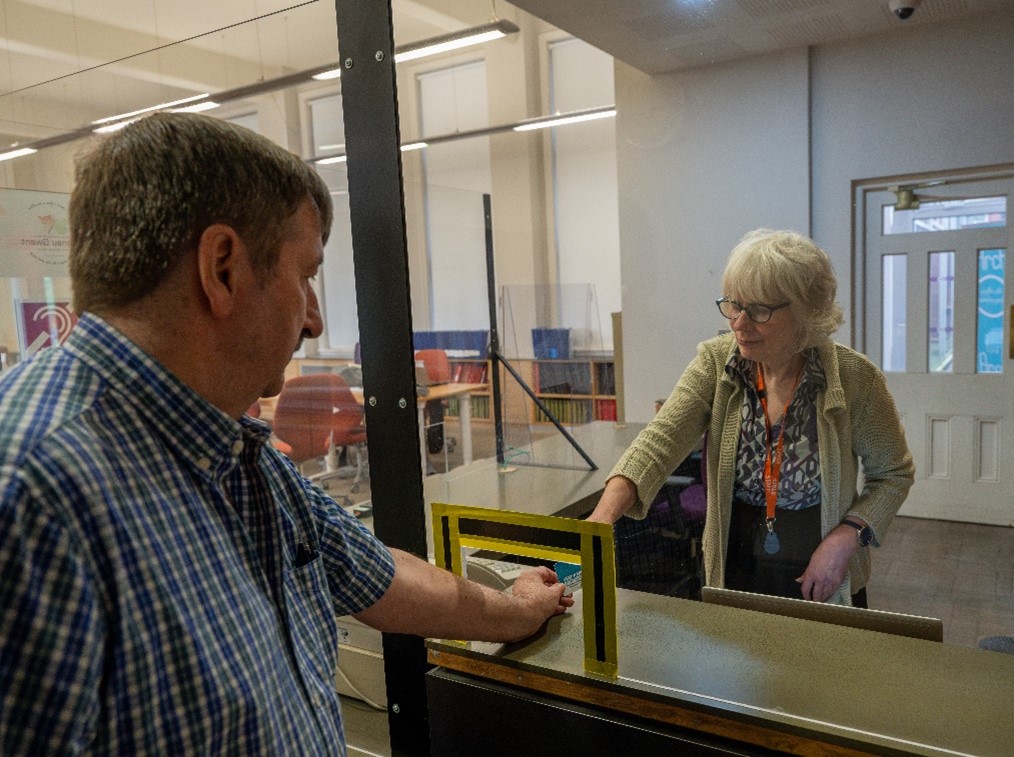
- Hearing loops: a built in or portable hearing loop should be available in all areas of your service, not just in the public spaces, with appropriate signage. It is important to regularly check that the hearing loops are in good working order and that staff are familiar with their location and operation
- Staff facilities: when designing or re-designing staff space, work or kitchen areas it is important to remember that future colleagues may have different access requirements than those currently represented within the team. Making accessibility a key focus point early in any design or development planning will help ensure that access considerations do not negatively impact decisions about recruitment, or possibly deter prospective candidates
These recommendations, along with those highlighted in the full access report, have not only helped our team to further understand the accessibility issues present within our organisation but also create a framework to support and inspire our future objectives for work in this area. Gwent Archives will now use Trevor’s observations to begin to directly address the issues raised and advocate for improvements in accessibility in areas of our service provision and premises that are beyond our direct control. Will you join us?