Allotments in Wales: From Wartime Necessity to Modern Green Spaces
Wartime Allotments
During the Second World War, allotments became a crucial part of life in Wales and across the UK. With food imports restricted and rationing on the way, the “Dig for Victory” campaign was launched in 1939. This initiative encouraged people to convert any available piece of land into vegetable gardens. Parks, sports fields, and even ornamental gardens were transformed into allotments. By the end of the war there were 1.4 million allotments across the UK. Vegetables grown there were used to supplement the official food rations, helping families to eat fresh produce despite the shortages.
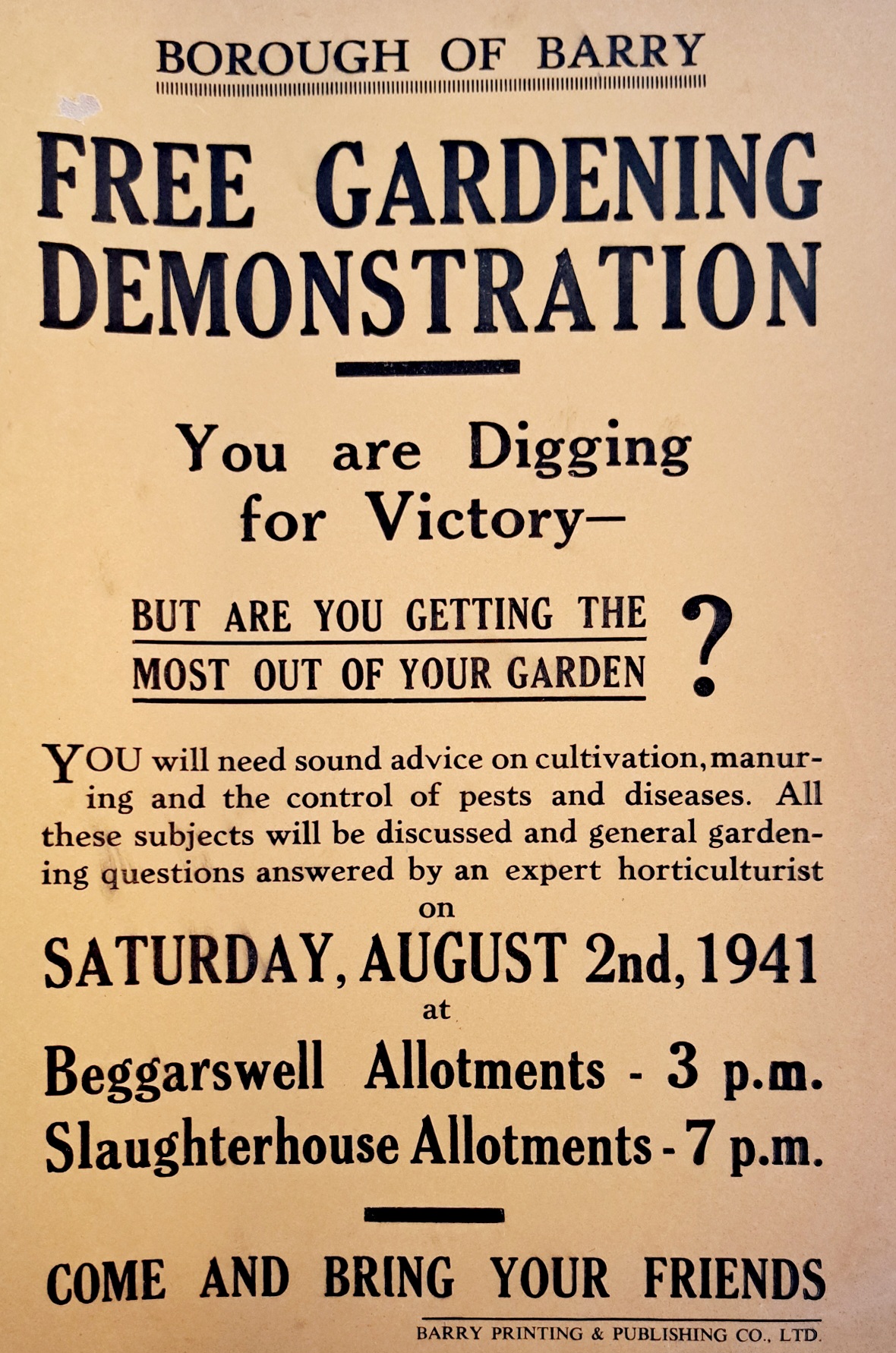
Events like the one advertised in the poster above were put on to help new gardeners who wanted to assist in the war effort.
In 1945 the Ministry of Agriculture created these monthly guides telling gardeners what tasks they should carry out each month to keep their gardens productive. Even though it was nearing the end of the war, people were still encouraged to grow their own food as the country’s budget for importing food was still low. Rationing continued in some form until 1954, so these guides would have remained useful for years to come.


Wartime allotments were not just for food production, they also served as a morale booster to a people that desperately needed it. Tending to gardens provided people with a sense of purpose despite the chaos of war. Communities shared gardening tips, seeds, and produce, leading to an increase in community spirit. These gardens became a symbol of hope despite the country going through potentially the most difficult period in British history.
Post-War Allotments
After the war ended, the allotments use declined as normal food imports resumed, and rationing was gradually phased out. By the 1950s and 1960s many wartime allotments were repurposed or went back to their original uses as parks and recreational spaces. Allotments fell into disrepair, or were converted into other developments, and the number of active allotments decreased.
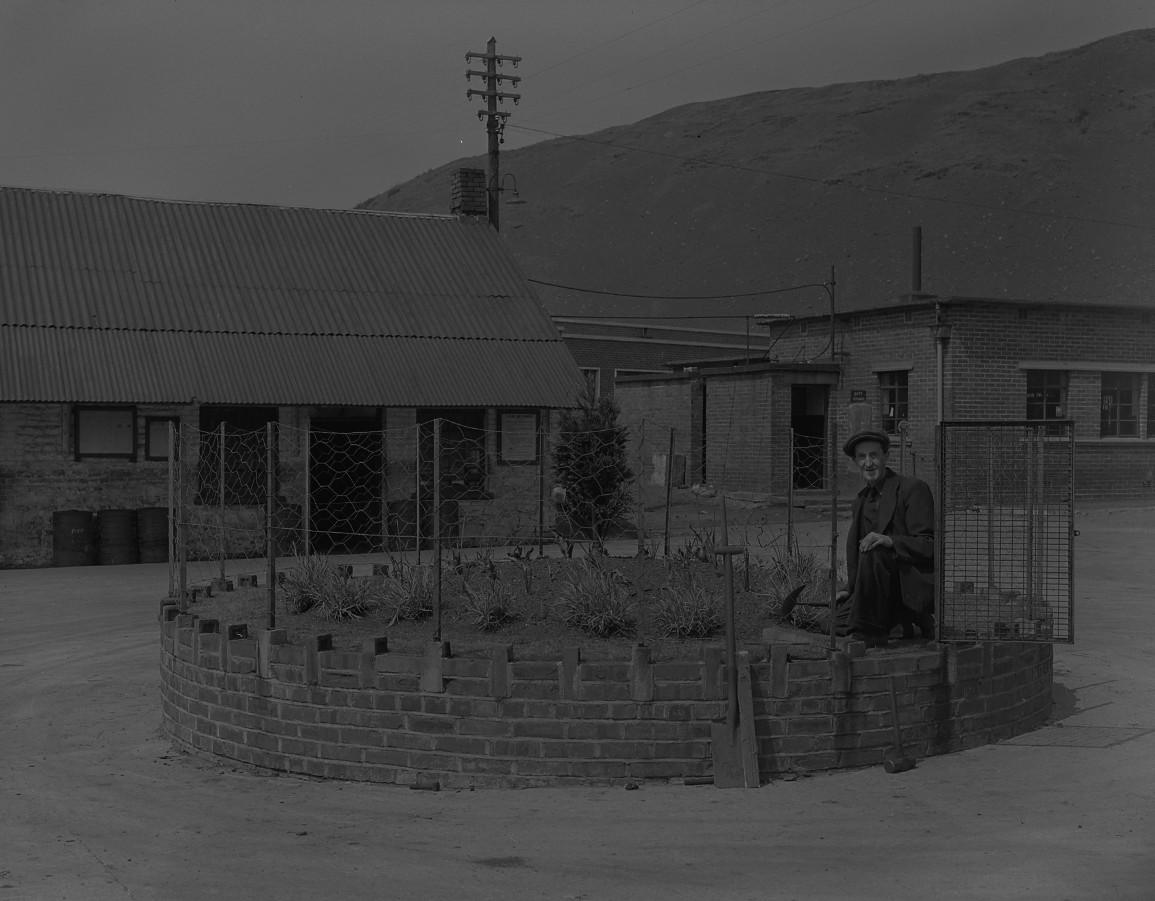
Despite the decline, allotments and gardens still popped up in unlikely places, such as this little garden on the surface of Caerau Colliery, near Maesteg.
Allotments Today
Today, allotments have experienced a resurgence, particularly in urban areas where green space is becoming harder to find. Many modern allotments are more than just places to grow food: they have become community hubs, relaxation spaces, and even a place to teach sustainable living practices.
Throughout the UK the waiting lists for allotments are often long, particularly following the Covid Lockdowns in 2020/2021 as demand has increased. This shows a growing desire among people to reconnect with nature, grow their own food, and reduce their carbon footprint.
These photographs show some allotments from the past decade. All photographs from the Royal Commission on the Ancient and Historical Monuments of Wales.
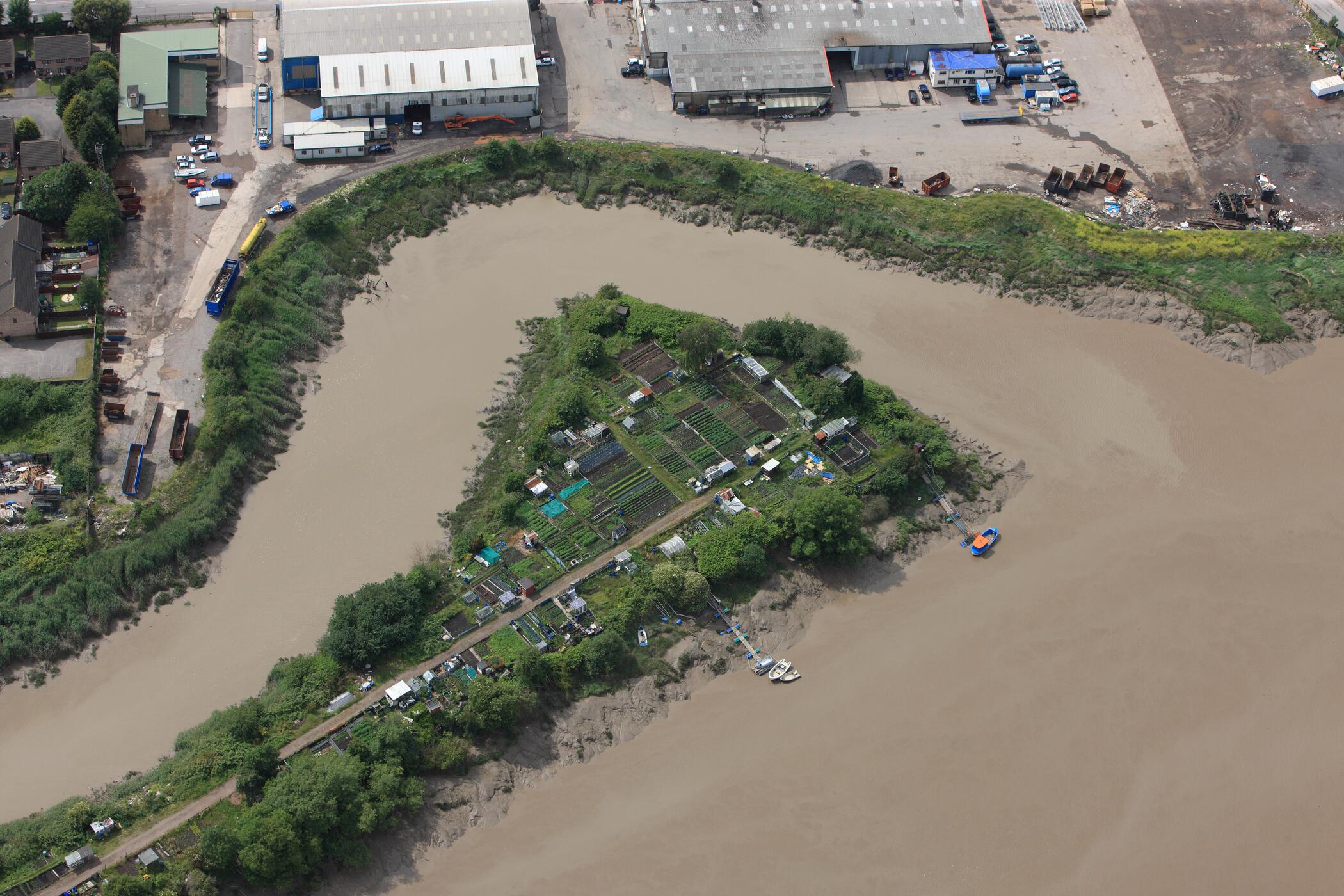
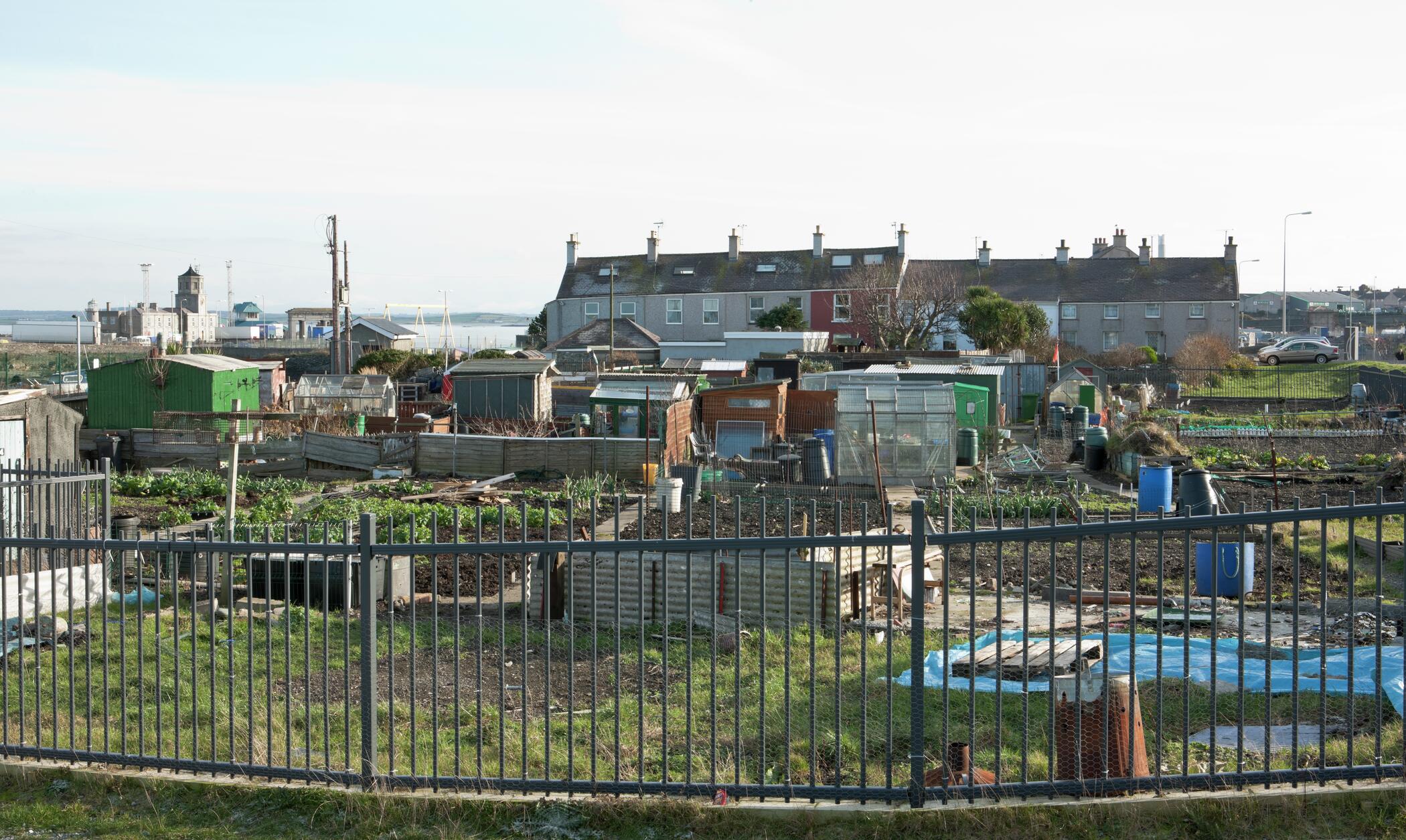
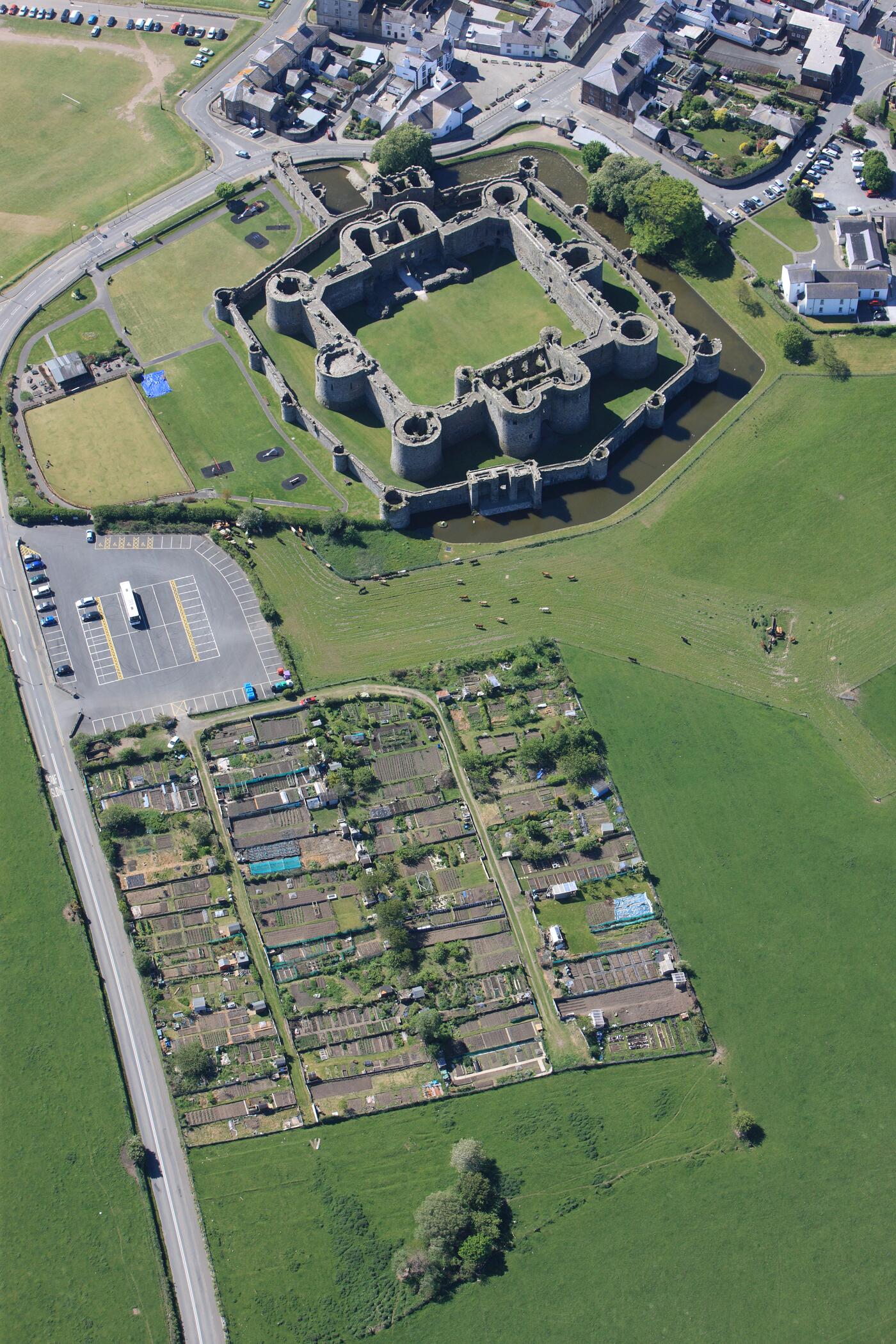
Allotments in Wales, and across the UK, have evolved from a wartime necessity to modern green spaces that support sustainable living, community spirit, and support mental health. As more and more people become concerned about the environment and climate change, our allotments are once again proving they can help us to be self-sufficient.