Christmas cards during the War
Despite the grim realities of war, Christmas possesses a unique power to uplift spirits.
During the First and Second World War the exchanging of Christmas cards continued, despite the conflict, showing a little of the resilience of the human spirit.
Here’s a selection of wartime Christmas cards from Welsh archives:
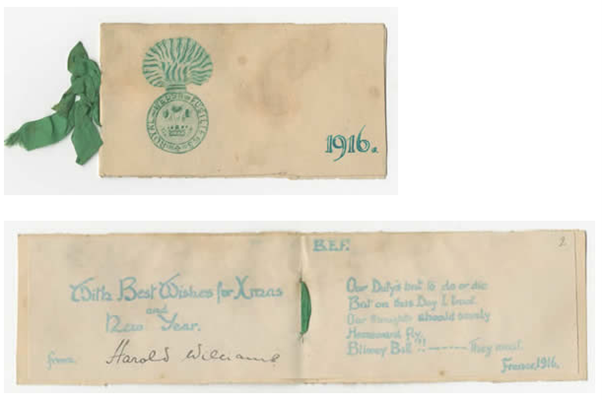
The recipient of this Christmas Card from 1916 was Major W.P. Wheldon who served in the Royal Welch Fusiliers in France December 1914-1918. The sender is Harold Williams of the British Expeditionary Force (BEF). Major Wheldon’s battalion suffered severe casualties in July 1916 at Mametz Wood on the Somme and in the 3rd battle of Ypres in 1917.
After the war Wheldon became Secretary and Registrar of the University College of North Wales (now Bangor University) until 1933 when he was appointed Permanent Secretary of the Welsh Department of the Board of Education. Wheldon donated a collection consisting of war diaries 1916-1918 giving a day-to-day of the activities of the battlefield on the Western Front to Bangor University in 1948. This card (BMSS/39635(i)) and the collection is available at Bangor University Archives and Special Collections (BMSS/7059-7060).
This one from after the war is an example of the kind of card sent by soldiers still in France after the First World War has ended and was sent in 1918 by Pat Wainwright of Colwyn Bay to a young Norman Tucker (1894-1972) who went on to become a well-known local historian of the Conwy area. Bangor University Archives hold his papers, including this card (CP149/1/7).
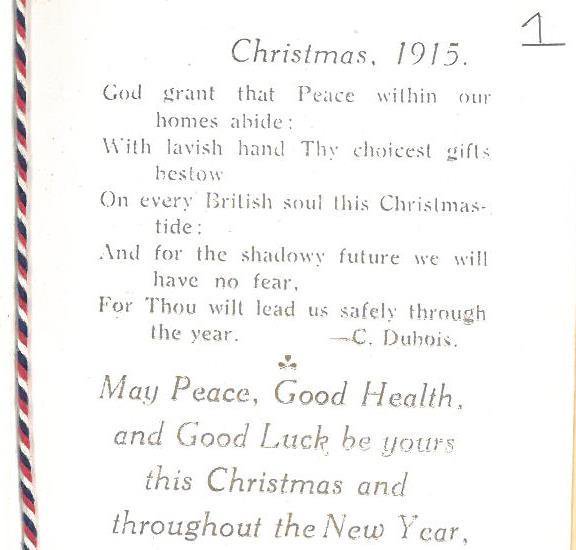
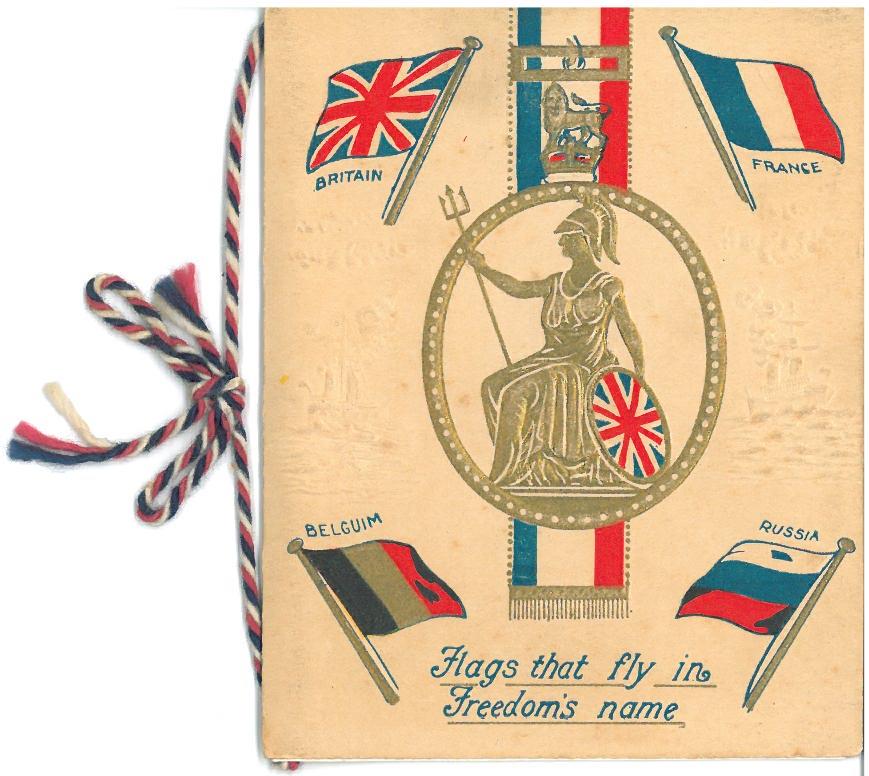
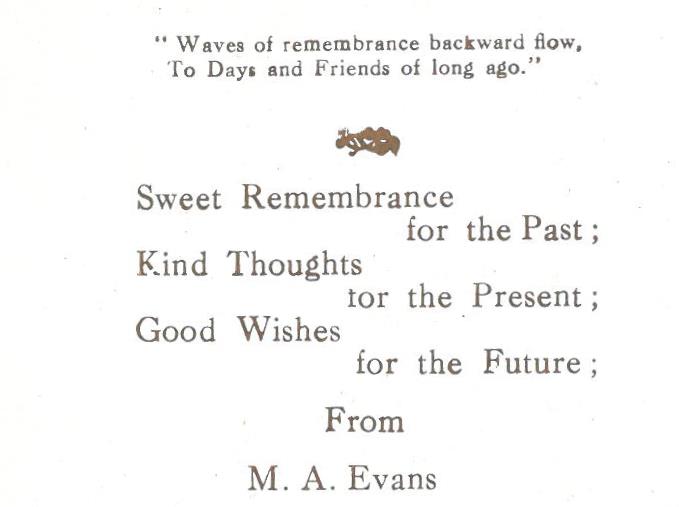
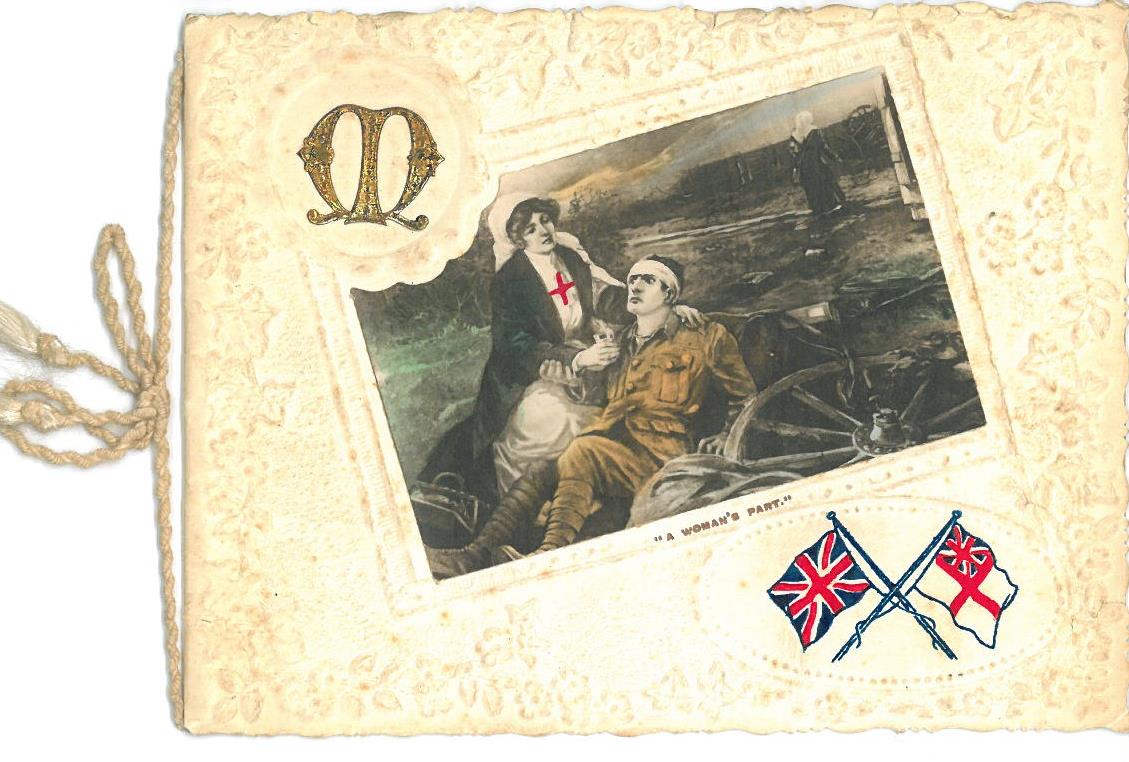
Here’s a couple of examples of wartime Christmas cards, held by Richard Burton Archives at Swansea University, including one that shows one of women’s roles during the First World War.
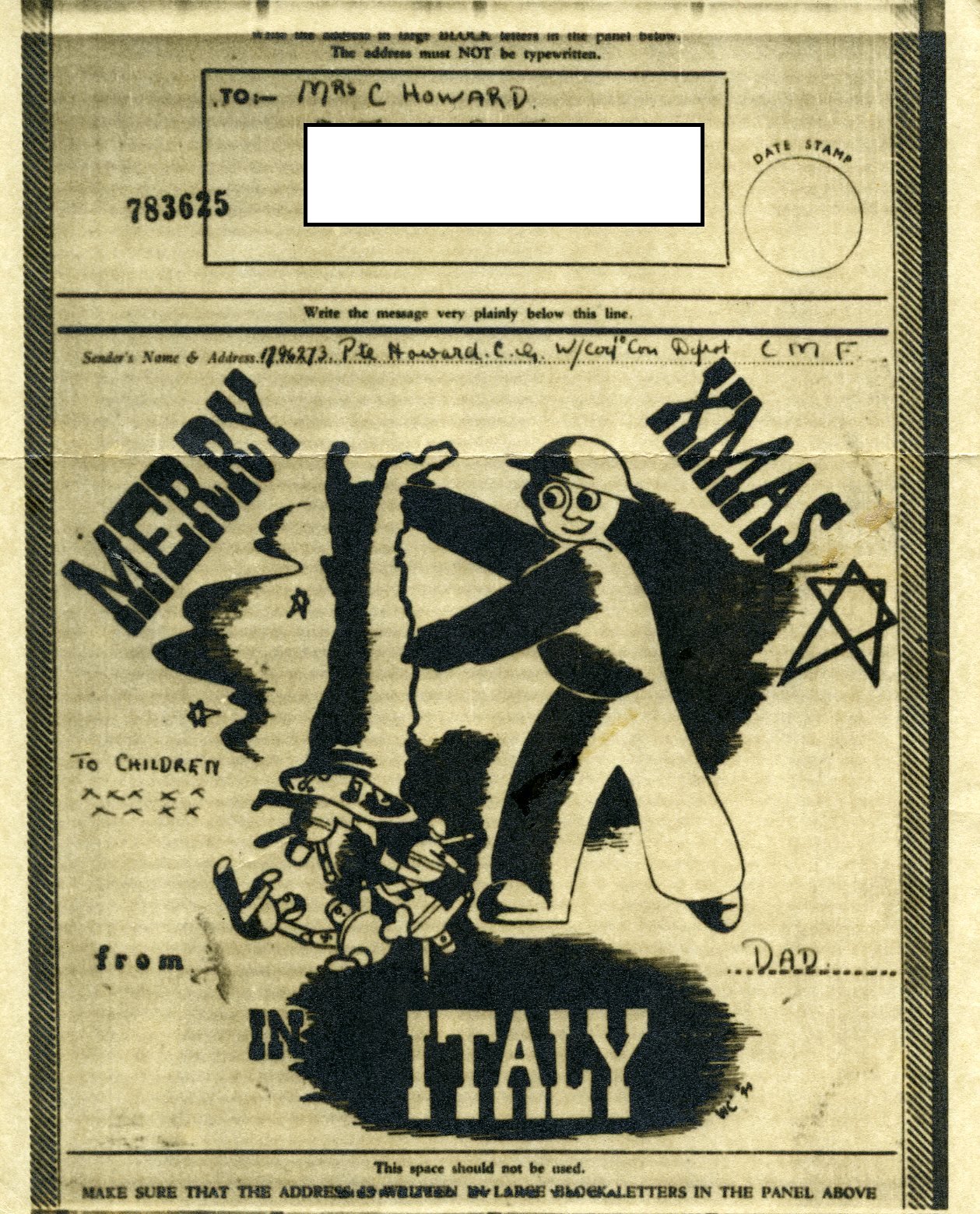
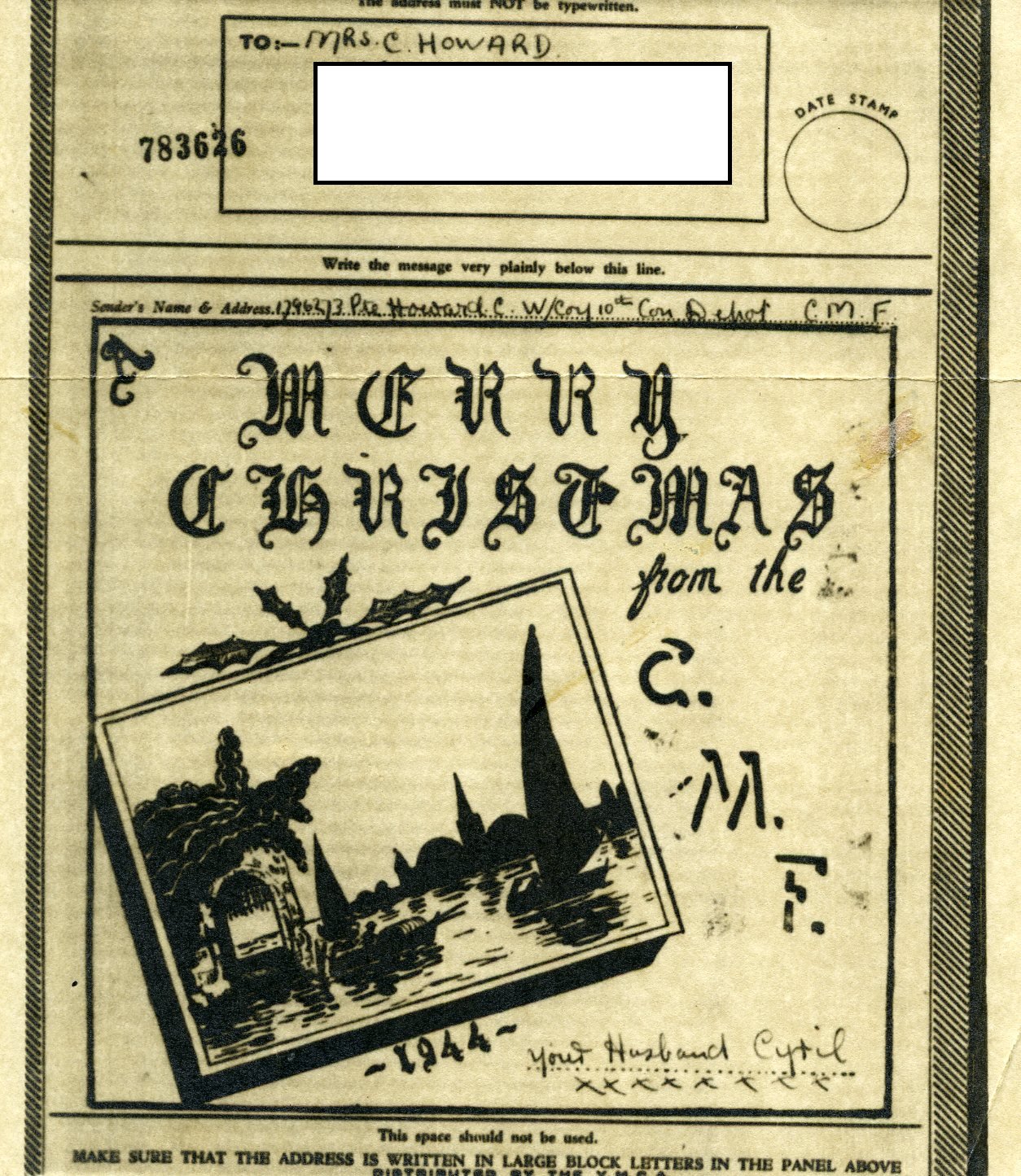
These examples from West Glamorgan Archive Service are an example of standard issue Christmas cards sent back home, with only a dotted line to individualise it (and the 8 extra x’s added underneath).
We wonder, what is it about Christmas that kept this tradition of cards going during the First and Second World War, maybe it’s the morale boost that sending and receiving cards gives, the connection these cards give soldiers to home.
James Southerby
Archives and Records Council Wales